-
Public Info posted an update 1 year, 5 months ago
Agricultural Derivatives: Managing Risk and Shaping Markets
Agricultural derivatives are financial instruments that derive their value from underlying agricultural commodities. These commodities can range from staple crops like corn, wheat, and soybeans to livestock such as cattle and hogs, and even dairy products. These derivatives play a crucial role in modern agriculture, providing tools for risk management, price discovery, and market efficiency. Understanding their function and impact is essential for anyone involved in the agricultural sector, from farmers and processors to investors and consumers.
At their core, agricultural derivatives are contracts that allow parties to buy or sell a specific quantity of an agricultural commodity at a predetermined price on a future date. The most common types of agricultural derivatives include futures contracts and options contracts.
Futures Contracts: A futures contract is a legally binding agreement between two parties where the buyer agrees to take delivery of a specific quantity and quality of an agricultural commodity at a specified future date and location, and the seller agrees to deliver it. These contracts are typically traded on organized exchanges like the Chicago Mercantile Exchange (CME) and the Intercontinental Exchange (ICE).
For example, a corn farmer expecting to harvest in three months might sell a corn futures contract to lock in a price for their crop. This protects the farmer from potential price declines before harvest. Conversely, a food processing company that needs to purchase corn in three months might buy a corn futures contract to secure a price and protect against potential price increases. While the actual delivery of the commodity occurs in a small percentage of futures contracts, the majority are offset before the delivery date through an opposite transaction. This allows participants to manage price risk without the need for physical delivery.
Options Contracts: An options contract gives the buyer the right, but not the obligation, to buy (call option) or sell (put option) an underlying agricultural commodity at a specific price (the strike price) on or before a certain date. In exchange for this right, the buyer pays the seller (writer) a premium.
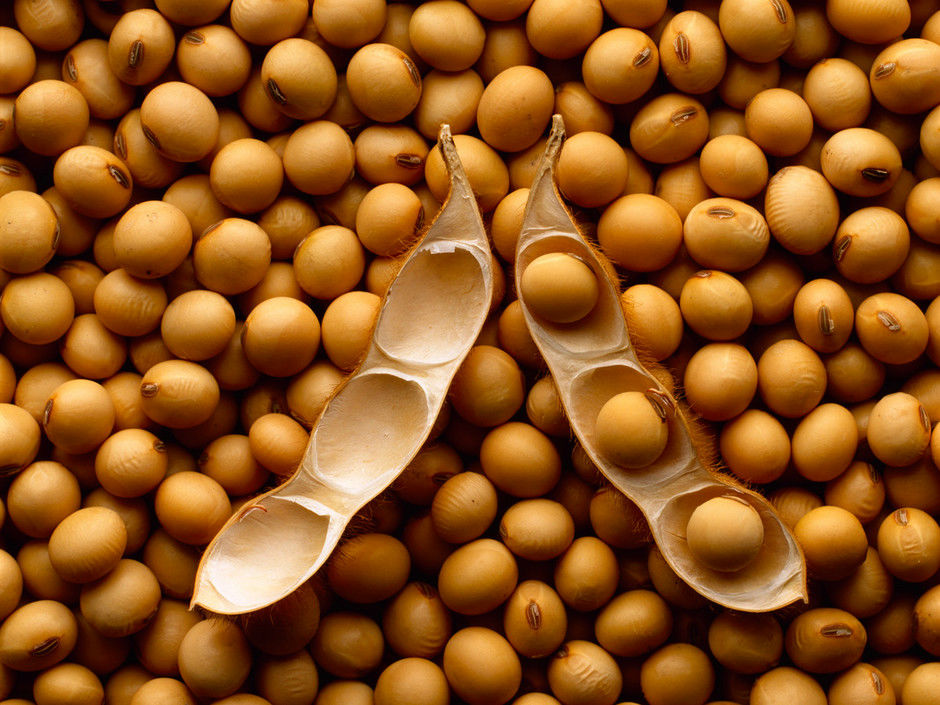
For instance, a soybean farmer might buy a put option to establish a price floor for their soybeans. If the market price falls below the strike price, the farmer can exercise the option and sell their soybeans at the higher strike price, limiting their losses. If the market price rises, the farmer can let the option expire worthless and sell their soybeans at the prevailing market price, benefiting from the price increase. Similarly, a livestock producer might buy a call option to protect against rising feed costs.
The Role of Agricultural Derivatives:
Agricultural derivatives serve several critical functions within the agricultural economy:
* Risk Management (Hedging): This is arguably the most important function. Producers, processors, exporters, and other stakeholders can use derivatives to hedge against price volatility. By locking in future prices or establishing price ranges, they can reduce uncertainty and protect their profit margins. This allows businesses to plan more effectively and manage their financial exposure to market fluctuations.
* Price Discovery: Futures markets provide a centralized platform where buyers and sellers interact, leading to the formation of transparent and publicly available price signals for agricultural commodities. These prices reflect current supply and demand dynamics, as well as expectations about future market conditions. This price discovery mechanism is crucial for efficient resource allocation and decision-making throughout the agricultural supply chain.
* Market Efficiency: Derivatives markets can enhance market efficiency by facilitating trading and reducing transaction costs. They allow participants to express their views on future price movements, contributing to a more liquid and responsive market. The ability to trade contracts easily attracts speculators who provide liquidity and help to narrow the bid-ask spread.
* Investment and Speculation: While primarily risk management tools for industry participants, agricultural derivatives also attract investors and speculators. These participants aim to profit from price movements and contribute to market liquidity. However, excessive speculation can sometimes lead to increased volatility, which is a point of ongoing debate and regulatory scrutiny.
Challenges and Considerations:
Despite their benefits, agricultural derivatives markets also present certain challenges and require careful consideration:
* Complexity: Derivatives can be complex financial instruments, requiring a thorough understanding of their mechanics and associated risks. Misunderstanding or misuse can lead to significant financial losses.
* Volatility: While derivatives can help manage volatility, the prices of the underlying commodities themselves can be highly volatile due to factors like weather, disease, and global economic conditions. This volatility can translate into significant price swings in the derivatives markets.
* Basis Risk: Basis risk arises from the difference between the price of the underlying commodity and the price of the futures contract at the time of delivery. This difference can fluctuate due to factors like transportation costs, storage, and local supply and demand conditions. Hedgers need to be aware of and manage this basis risk.
* Regulation: Due to the potential for manipulation and systemic risk, agricultural derivatives markets are subject to regulatory oversight. Ensuring fair and transparent trading practices is crucial for maintaining market integrity.
The Future of Agricultural Derivatives:
The role of agricultural derivatives is likely to continue to evolve in response to global trends such as increasing population, changing consumption patterns, climate change, and technological advancements. There is a growing focus on developing new derivative products to manage risks associated with sustainability, environmental factors, and specific agricultural practices. Furthermore, advancements in data analytics and financial technology are likely to enhance trading efficiency and risk management capabilities in these markets.
In conclusion, agricultural derivatives are indispensable tools for managing price risk and facilitating efficient markets in the agricultural sector. While they require careful understanding and management, their benefits for producers, processors, and the overall economy are significant. As the agricultural landscape continues to evolve, so too will the role and sophistication of agricultural derivatives.