-
Public Info posted an update 1 year, 5 months ago
Futures Commission Merchants (FCMs) play a pivotal role in the global financial system, particularly concerning post-trade services for derivatives. Their impact is multifaceted and crucial for the smooth and efficient functioning of these markets. Here’s a breakdown of their global impact:
Core Functions in Post-Trade Services:
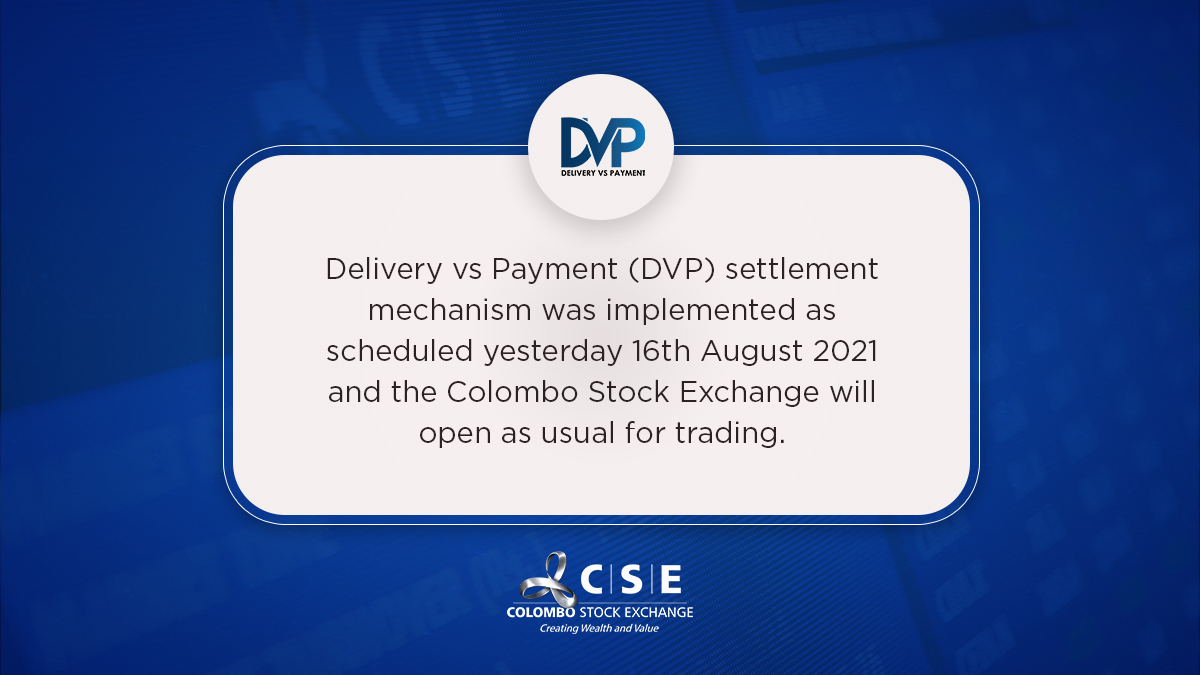
* Clearing and Settlement: FCMs act as intermediaries between clients and central counterparties (CCPs) or clearinghouses. They ensure the smooth clearing and settlement of futures and options contracts across various global exchanges. This involves managing the flow of funds and ensuring that obligations are met after a trade is executed.
* Margin Management: A critical post-trade function is the collection, holding, and management of margin funds from clients. FCMs are responsible for ensuring clients have sufficient collateral to cover their potential losses and for meeting the margin calls of the CCPs. This is vital for maintaining the financial integrity of the clearing system globally.
* Risk Management: FCMs have a significant role in managing the risks associated with their clients’ trading activities. This includes monitoring positions, assessing risk exposures, and taking necessary actions (like liquidating positions) to mitigate potential losses that could impact the broader market.
* Reporting and Compliance: FCMs are subject to numerous reporting requirements from regulatory bodies worldwide. They must provide detailed information on their clients’ trading activities and their own financial standing. Ensuring compliance with these global regulations is a key aspect of their post-trade services.
* Custody of Funds and Assets: FCMs hold substantial client funds and assets as collateral. The secure custody and proper segregation of these funds are essential responsibilities in the post-trade environment, subject to stringent global regulations to protect client assets.
* Trade Processing and Reconciliation: After a trade is executed, FCMs are involved in the processing and reconciliation of trade details to ensure accuracy and resolve any discrepancies. Efficient post-trade processing is crucial for the high volumes of transactions in global derivatives markets.
* Facilitating Market Access: Globally, FCMs provide a crucial access point for a wide range of participants – from institutional investors and asset managers to commercial end-users – to trade on derivatives exchanges and clear their trades. Their presence enables broad participation in these markets.
Global Impact and Trends:
* Systemic Risk Reduction: By acting as intermediaries and adhering to strict margin requirements set by CCPs, FCMs contribute significantly to reducing systemic risk in the global financial system. Their role ensures that defaults by individual traders are less likely to cascade and destabilize the market.
* Market Liquidity: Efficient post-trade services provided by FCMs support market liquidity. By streamlining clearing and settlement, they reduce operational friction, encouraging more trading activity across borders.
* Regulatory Harmonization Challenges: Despite global efforts, differences in post-trade regulations across jurisdictions can create complexities for FCMs operating internationally. They must navigate a web of rules to ensure compliance in each market they serve.
* Technological Investment: To handle the increasing volumes and complexities of global post-trade processing, FCMs are heavily investing in technology, including automation, front-to-back integration, and data analytics. This is essential for efficiency, accuracy, and regulatory compliance on a global scale.
* Consolidation in the FCM Landscape: The number of FCMs has seen a decline globally due to increased regulatory burdens and the high fixed costs of infrastructure and compliance. This consolidation impacts market access and competition in post-trade services.
* Competition from New Entrants: Non-bank FCMs and cloud-native firms are entering the market, leveraging technology to offer potentially more efficient post-trade services and increasing competition for traditional FCMs.
* Impact of Geopolitical Factors: Global political and economic uncertainties can significantly affect the operations and risk management of FCMs, especially those with a broad international presence.
* Evolution with Digital Assets: The rise of digital assets and their derivatives is prompting FCMs to adapt their post-trade infrastructure and services to accommodate these new market participants and products, navigating a complex and evolving regulatory landscape.
In conclusion, FCMs are indispensable to the functioning of global derivatives markets through their provision of essential post-trade services. Their efficiency and stability directly impact market liquidity, systemic risk, and regulatory compliance worldwide. Ongoing trends in technology, regulation, and market structure continue to shape their role and the challenges they face in the interconnected global financial landscape.Video courtesy of KDPW
Video courtesy of KDPW