-
Public Info posted an update 1 year, 4 months ago
Clearing and settlement play a crucial role in the context of crypto regulation, blockchain, and Bitcoin, touching upon efficiency, risk management, and the need for regulatory frameworks. Here’s a breakdown of their significance:
1. Efficiency and Speed:
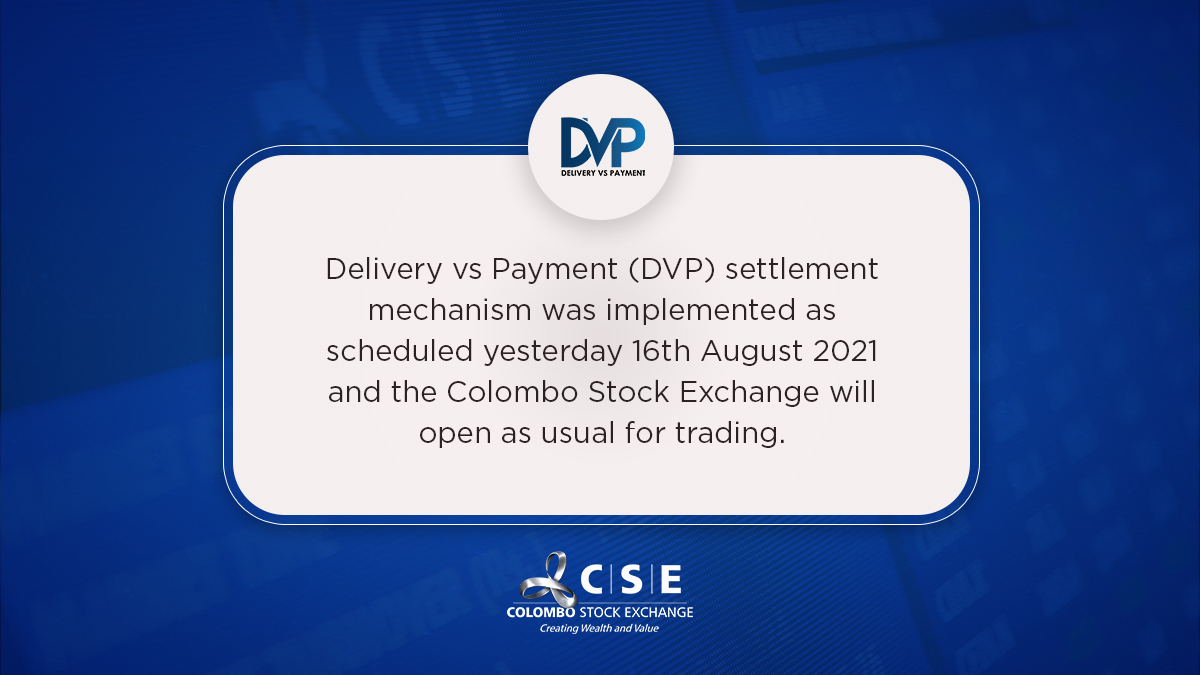
* Traditional Clearing and Settlement: In traditional finance, clearing and settlement processes for securities and other assets can be lengthy, often taking one to two business days (T+1 or T+2). This involves multiple intermediaries like clearinghouses and custodians, adding time and cost.
* Blockchain and Bitcoin: Blockchain technology, by its nature, offers the potential for near real-time or instantaneous settlement. Each transaction is recorded on a distributed ledger and verified by a network of participants, eliminating the need for many intermediaries. Bitcoin transactions, for instance, are typically settled within minutes to an hour, depending on network congestion and confirmation times.
* Enhanced Efficiency: By streamlining and accelerating the settlement process, blockchain and cryptocurrencies can reduce counterparty risk and free up capital that would otherwise be tied up during the settlement period.
2. Risk Management:
* Reduced Counterparty Risk: Traditional clearinghouses act as central counterparties (CCPs) to mitigate counterparty risk by guaranteeing trades. Blockchain’s transparent and immutable ledger reduces this risk by providing a clear and auditable record of transactions.
* Atomic Swaps: Technologies like atomic swaps, which can be facilitated by blockchain, allow for the simultaneous exchange of different cryptocurrencies or digital assets without the need for a trusted third party, further reducing risk.
* Regulatory Focus on Risk: Regulators are keenly interested in how clearing and settlement of crypto assets occur to ensure market integrity and investor protection. They are considering how existing regulatory frameworks for traditional clearinghouses might apply or need to be adapted for crypto.
3. Regulatory Landscape:
* Defining Regulatory Perimeters: A key challenge for regulators is determining which crypto activities fall under existing securities or payment regulations. The way clearing and settlement are conducted for different types of crypto assets (e.g., Bitcoin vs. security tokens) will influence how they are regulated.
* Custody and Settlement Finality: Regulators are concerned about the custody of crypto assets during and after settlement. Ensuring the finality of settlement and the secure transfer of assets is paramount for investor confidence and market stability. Recent discussions by the SEC Commissioners highlight the complexities of crypto custody regulation.
* AML/CFT Compliance: Clearing and settlement processes for crypto must adhere to Anti-Money Laundering (AML) and Counter-Terrorist Financing (CFT) regulations. This includes verifying the identities of participants and monitoring transactions for suspicious activity. The Financial Action Task Force (FATF) provides global standards in this area.
* Potential for New Infrastructure: Some argue that blockchain could eventually reduce or eliminate the need for traditional clearing agencies like the Depository Trust & Clearing Corp. (DTCC) for tokenized securities, as the technology itself handles validation and immediate settlement. However, this would require significant regulatory and market adaptation.
* Regulatory Arbitrage: Jurisdictional differences in crypto regulation can lead to arbitrage opportunities in clearing and settlement. International cooperation is crucial for establishing consistent standards.
4. Bitcoin-Specific Considerations:
* Decentralized Clearing and Settlement: Bitcoin’s network inherently handles clearing and settlement in a decentralized manner through its blockchain. Miners verify and add transactions to the public ledger.
* Layer-Two Solutions: To improve Bitcoin’s scalability and transaction speed, layer-two solutions like the Lightning Network are being developed. These can impact how Bitcoin transactions are effectively cleared and settled off the main blockchain, with final settlement on the main chain.
* Institutional Involvement: As institutional investors become more involved with Bitcoin, regulated clearing solutions are emerging to provide them with the safety and security they are accustomed to. For example, LCH SA offers a regulated clearing solution for cash-settled Bitcoin index futures and options.
In summary, clearing and settlement are fundamental aspects that regulators are closely examining in the context of crypto assets, blockchain technology, and Bitcoin. The efficiency and transparency offered by blockchain have the potential to revolutionize these processes, but they also raise new challenges related to risk management and the need for appropriate regulatory frameworks to ensure market integrity and investor protection. The specific characteristics of assets like Bitcoin influence how clearing and settlement are approached and regulated.Video courtesy of Interactive Brokers
Video courtesy of Interactive Brokers