-
Public Info posted an update 1 year, 4 months ago
Tokenization does indeed enable what’s known as collateral mobility. Here’s a breakdown of why this is the case and the significance of eliminating the traditional settlement delay:
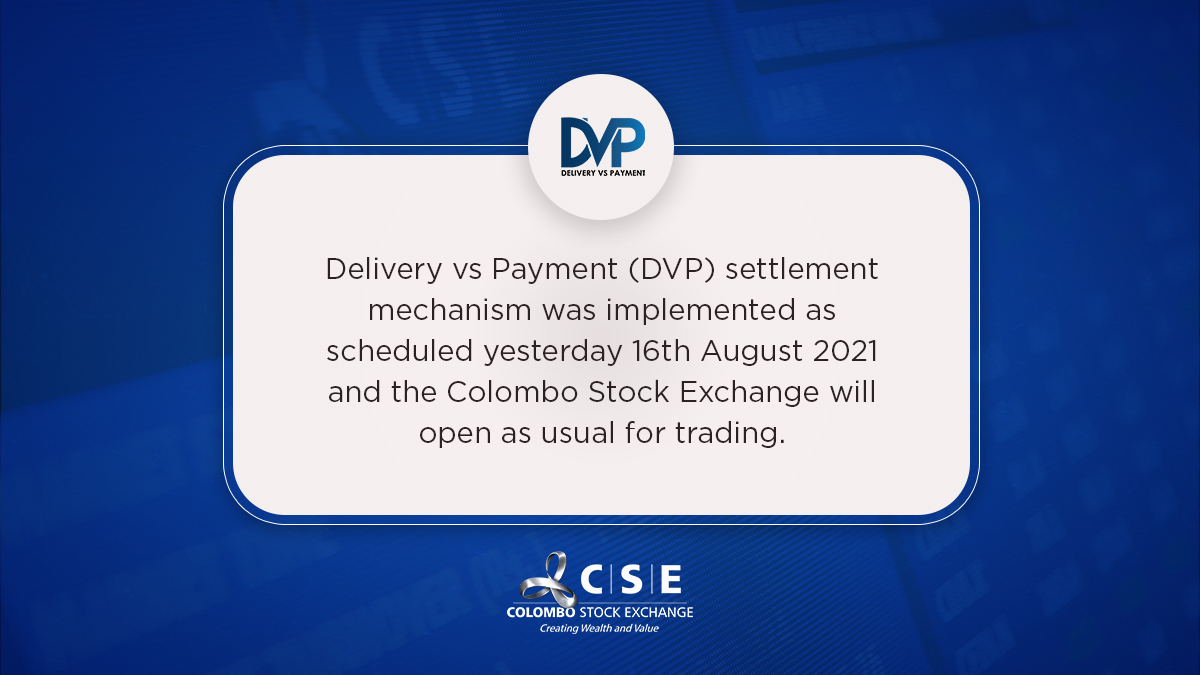
In traditional financial markets, when securities are traded, there’s a period between the trade execution date and the settlement date – the day the ownership of the securities and the funds are legally transferred. While the settlement cycle has been reduced over time (in the US, it’s now T+1, meaning one business day after the trade), this delay still exists.
How Tokenization Enhances Collateral Mobility:
* Near-Instantaneous Settlement: Tokenized securities exist on a blockchain or distributed ledger. This infrastructure allows for the potential of near-instantaneous or atomic (simultaneous) settlement of trades. When a tokenized security is traded, the transfer of ownership can be recorded and finalized almost immediately on the ledger.
* Reduced Counterparty Risk: The settlement delay in traditional markets introduces counterparty risk – the risk that one party in a transaction might default before the settlement is complete. With faster settlement enabled by tokenization, this risk is significantly reduced.
* Increased Efficiency in Collateral Management: Because tokenized securities can be transferred and settled quickly, they can be deployed and redeployed as collateral much more efficiently. Without the T+1 delay, institutions can:
* Utilize collateral more actively: Assets aren’t tied up waiting for settlement, allowing for more dynamic collateral allocation in response to changing market conditions or margin requirements.
* Optimize intraday liquidity: Funds and collateral can be accessed and moved within the same trading day to meet payment and settlement obligations.
* Potentially reduce the amount of collateral needed: Faster settlement reduces the time exposure, potentially lowering the buffer of collateral required to manage risk.
* Breaking Down Silos: Traditional collateral is often stuck within fragmented infrastructures and geographical boundaries due to settlement delays and the complexities of cross-border transfers. Tokenization can help break down these silos, making a wider range of assets potentially available as collateral across different markets.
In essence, by removing or significantly reducing the settlement delay, tokenization transforms securities into more liquid and readily usable forms of collateral, enhancing overall capital efficiency and reducing systemic risks within the financial system. This increased “collateral mobility” is considered a significant advantage of asset tokenization.Video courtesy of Eurex
Video courtesy of Eurex