-
Public Info posted an update 1 year, 3 months ago
A core benefit and a primary driver behind the interest in tokenization within financial markets, particularly for the cleared derivatives industry, as highlighted by organizations like the Futures Industry Association (FIA).
Here’s a breakdown of why this is so significant:
* “Creating a digital representation of an asset on a distributed ledger”: This is the essence of tokenization. It transforms traditional assets (like government bonds, equities, or even cash) into digital tokens that can be managed and transferred on a blockchain or other distributed ledger technology (DLT).
* “Can allow us to move collateral in close to real time”:
* Traditional Settlement: Moving collateral in traditional finance often involves multiple intermediaries, manual processes, and batch processing, leading to settlement cycles of T+1 (trade date plus one day) or even T+2. This means that even after a trade is agreed upon and collateral is required, the actual transfer of that collateral takes time.
* Tokenization’s Advantage: With tokenized collateral on a DLT, the ownership transfer is instantaneous and atomic (either it happens completely or not at all). This drastically reduces the time it takes to move assets between parties, moving from days to minutes or even seconds.
* “That can unlock liquidity”:
* Trapped Liquidity: In traditional systems, collateral can be “trapped” or unavailable for other uses during the settlement window or when it’s being processed for margin calls. This is especially true for non-cash collateral.
* Unlocking Potential: Real-time movement means that collateral is only tied up for the bare minimum time required. This frees up assets that would otherwise be sitting idle, making them available for other investment opportunities or to meet new margin requirements. This increases the overall efficiency of capital.
* “And reduce risks and costs associated with traditional settlement processes”:
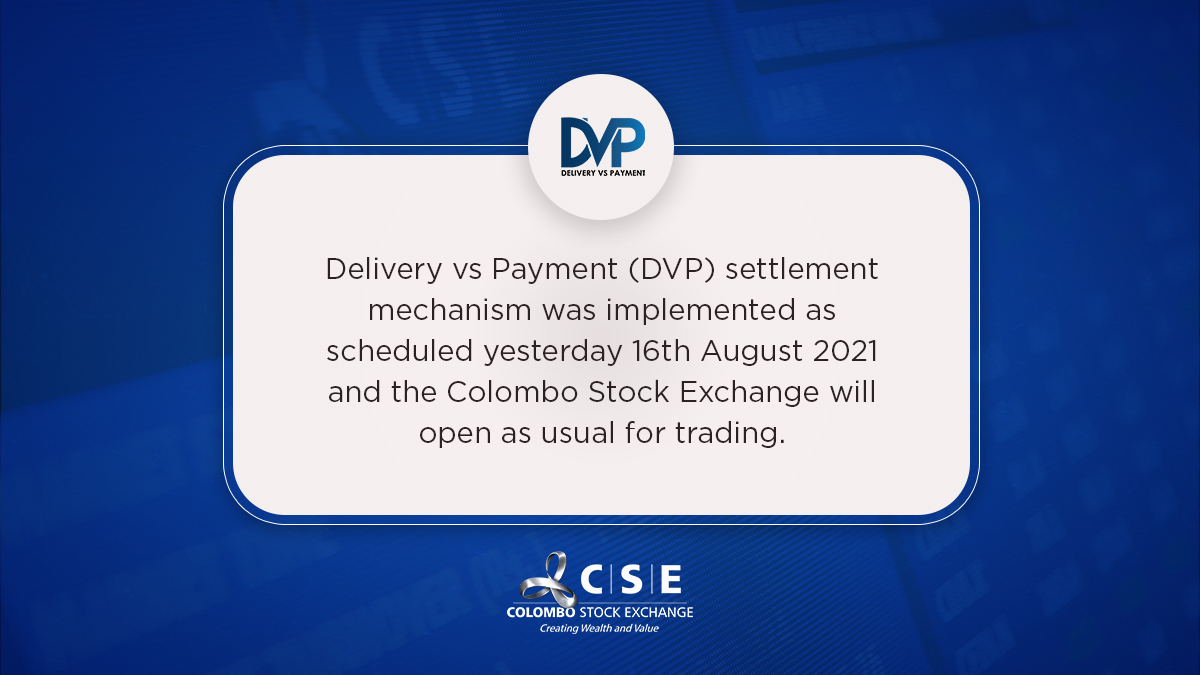
* Counterparty Risk (Settlement Risk): The longer the settlement period, the higher the risk that one party defaults before the transaction is finalized. Real-time settlement significantly mitigates this “delivery versus payment” risk.
* Operational Risk: Manual processes, multiple reconciliations, and numerous intermediaries in traditional settlement introduce opportunities for errors, delays, and inefficiencies. Tokenization, with its shared ledger and potential for automation via smart contracts, reduces these operational risks.
* Funding Costs: The need to pre-fund accounts or hold buffer capital to cover potential settlement delays or large margin calls incurs costs. Faster settlement reduces the need for such buffers.
* Reconciliation Costs: With a single, shared, immutable ledger, the need for extensive bilateral reconciliation between parties is drastically reduced, lowering administrative overheads.
Organizations like the FIA are championing this concept because these benefits directly address some of the long-standing pain points in the cleared derivatives market, where enormous volumes of collateral are exchanged daily to manage counterparty risk.Video courtesy of Escrow.com
Video courtesy of Escrow.com