-
Public Info posted an update 1 year, 3 months ago
Stablecoins have the potential to significantly impact and improve the traditional processes of clearing and settlement in the financial system. Here’s a breakdown of their relationship:
Understanding Clearing and Settlement
* Clearing: This is the process of validating and reconciling transactions before they are settled. It involves confirming the details of a trade (e.g., who owes what to whom, for how much) and ensuring that both parties have the necessary funds or assets. In traditional finance, this often involves multiple intermediaries and can take time.
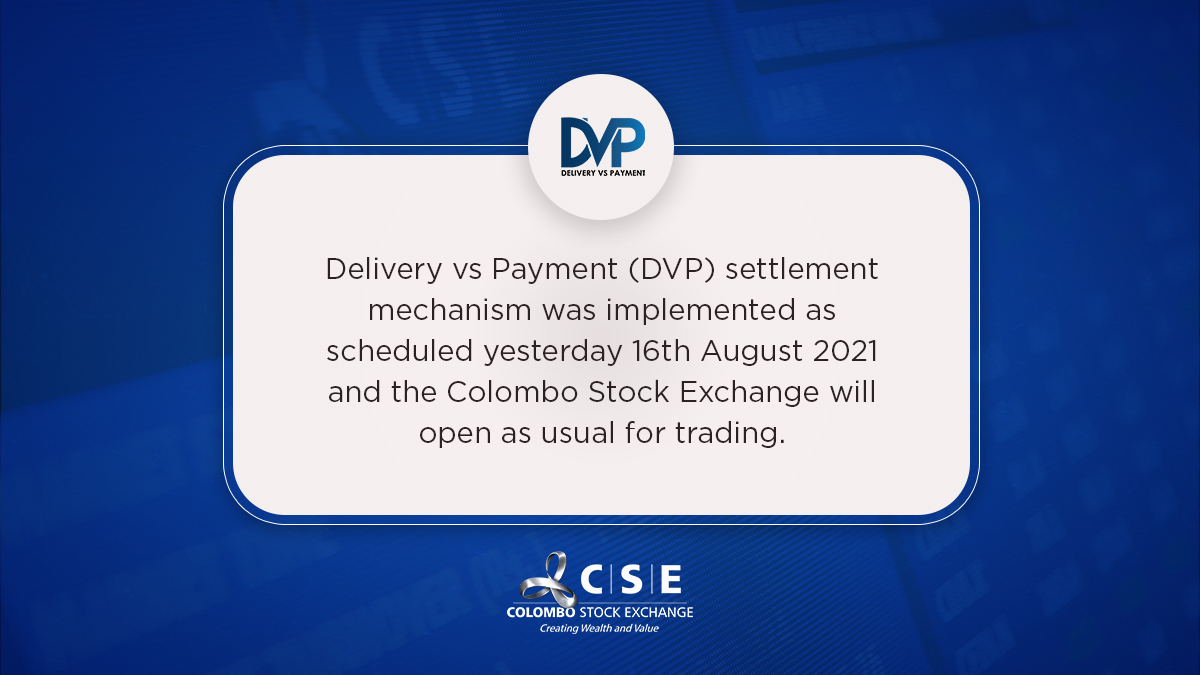
* Settlement: This is the final step where the actual transfer of funds or assets occurs, completing the transaction and fulfilling the obligations of both parties. For many traditional financial transactions, settlement can take days (e.g., T+2 or T+3 for securities).
How Stablecoins Impact Clearing and Settlement:
Stablecoins offer several advantages that can streamline and enhance these processes:
* Near-Instantaneous Settlement:
* Traditional systems rely on various intermediaries and batch processing, leading to delays. Stablecoins, being built on blockchain technology, allow for transactions to be validated and settled almost instantly, 24/7. This eliminates the “settlement lag” and the associated counterparty risk.
* For example, cross-border payments, which can traditionally take days, can be settled in seconds with stablecoins, significantly reducing operational costs and freeing up liquidity.
* Reduced Intermediaries and Costs:
* Blockchain technology inherently reduces the need for numerous intermediaries involved in traditional clearing and settlement. This can lead to lower transaction fees and increased efficiency.
* By bypassing traditional correspondent banking networks, stablecoins can offer more direct and cost-effective ways to move value globally.
* Enhanced Liquidity:
* Faster settlement means that capital is not tied up for extended periods, leading to improved liquidity for businesses and financial institutions. This allows for more efficient use of funds and potentially reduces the need for large pre-funded accounts.
* Increased Transparency and Auditability:
* Public blockchains, on which many stablecoins operate, provide a transparent and immutable record of all transactions. This enhanced auditability can improve trust and reduce the potential for errors or fraud.
* Programmability and Automation:
* Stablecoins can be integrated with smart contracts, enabling automated payments based on predefined conditions. This programmability can further streamline financial processes and reduce manual intervention.
Challenges and Considerations:
Despite the potential benefits, several factors need to be addressed for stablecoins to fully revolutionize clearing and settlement:
* Regulatory Clarity: The regulatory landscape for stablecoins is still evolving. Clear and consistent regulations are crucial for widespread institutional adoption and to address concerns around consumer protection, anti-money laundering (AML), and financial stability.
* Interoperability: Ensuring seamless interoperability between different stablecoins, blockchain networks, and traditional financial systems is essential for broader adoption.
* Scalability: The underlying blockchain networks need to be able to handle the high volume of transactions required for global clearing and settlement.
* Reserve Management: The stability of stablecoins relies heavily on the trustworthiness and transparency of their reserve assets. Robust auditing and regulatory oversight of these reserves are critical.
* Integration with Existing Infrastructure: While stablecoins offer a new paradigm, integrating them with existing legacy financial infrastructure will require significant effort and strategic planning.
In conclusion, stablecoins have the potential to significantly enhance the efficiency, speed, and cost-effectiveness of clearing and settlement processes. Their ability to facilitate near-instant, peer-to-peer value transfer can unlock new possibilities for global payments and financial markets, provided the regulatory and technological challenges are adequately addressed.Video courtesy of First Bank of Nigeria
Video courtesy of First Bank of Nigeria