-
Public Info posted an update 1 year, 5 months ago
While there isn’t specific information available regarding Over-the-Counter (OTC) derivatives trading specifically for beef from Montana ranches, we can discuss the broader context of OTC derivatives in the beef industry and the characteristics of the Montana ranching sector.
OTC Derivatives in the Beef Industry
OTC derivatives are financial contracts traded privately between two parties, without going through a formal exchange. These contracts derive their value from an underlying asset, in this case, beef or live cattle. They are used for hedging price risks or speculation.
Common types of OTC derivatives in the agricultural sector, including beef, can include:
* Forward Contracts: Agreements to buy or sell a specific quantity and quality of beef at a predetermined price on a future date. These can be customized to the specific needs of the parties involved, such as delivery location, quality specifications, and timing, which might be relevant for Montana ranchers dealing with specific types of cattle or delivery points.
* Swaps: Agreements to exchange cash flows based on different underlying factors. For example, a rancher might enter into a swap to exchange a floating price for their cattle based on a market index for a fixed price, providing price certainty.
* Options: Contracts that give the buyer the right, but not the obligation, to buy (call option) or sell (put option) beef at a specific price within a certain timeframe. These can offer Montana ranchers flexibility in managing price risk, allowing them to benefit from favorable price movements while limiting downside risk.
Participants in the OTC beef derivatives market can include:
* Cattle Producers (Ranchers): To hedge against potential price declines in their cattle. For Montana ranchers, this could help stabilize their revenue given the potential for market volatility and the scale of their operations.
* Meat Processors and Packers: To manage the price risk associated with their input costs (live cattle) and the selling price of beef.
* Food Retailers and Wholesalers: To hedge against fluctuations in the cost of beef they purchase and sell.
* Financial Institutions: To act as intermediaries, facilitating OTC derivative transactions and taking on counterparty risk.
Why OTC Derivatives Might Be Used (Generally):
* Customization: OTC contracts can be tailored to the specific needs of the counterparties regarding quantity, quality, delivery terms, and pricing mechanisms, which could be appealing to Montana ranchers with unique product attributes or logistical considerations.
* Hedging Specific Risks: They can be designed to hedge very specific risks that might not be perfectly addressed by standardized exchange-traded futures and options.
* Privacy: OTC trades are not publicly reported in the same way as exchange-traded derivatives.
Montana Ranching Industry
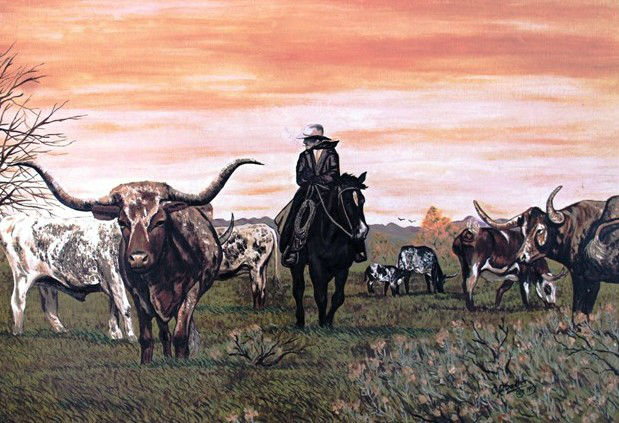
Montana has a significant and long-standing ranching industry. Here are some key aspects:
* Scale of Operations: Montana has a large number of beef cattle. As of recent data, Montana ranks among the top states in the U.S. for the number of beef cattle. This large inventory suggests a substantial underlying commodity that could potentially be the subject of risk management activities.
* Types of Operations: The majority of cattle ranches in Montana are cow-calf operations, where a permanent herd is maintained for producing calves that are then sold. There are also seedstock operations focused on breeding cattle with desired genetic traits.
* Market Access: Historically, Montana’s beef cattle were often shipped out of state for processing. However, there have been efforts to expand local processing capabilities, which could influence how ranchers manage price risk and market their products.
* Market Factors: Montana ranchers face typical agricultural risks, including weather conditions (winters can be severe), feed costs, and market price volatility. Tools to manage these risks are important for their sustainability.
* Quality and Branding: Some Montana ranches focus on high-quality, grass-fed beef, which might lend itself to specialized forward contracts or other OTC arrangements that specify these attributes.
Conclusion
While specific OTC derivative trading data for beef originating solely from Montana ranches is not readily available, the general principles of OTC derivatives in the beef industry would apply to Montana producers. Ranchers could potentially use forward contracts to lock in prices with buyers who value Montana beef, or they might participate in other OTC derivative structures through intermediaries to manage broader market price risk. The extent of this activity would depend on the individual risk management strategies of the ranches, their access to these markets, and the specific needs of their buyers. Given the significant beef production in Montana, it’s plausible that some level of OTC derivative activity occurs, even if not explicitly tracked or reported as “Montana beef” derivatives.