-
Public Info posted an update 1 year, 5 months ago
Bitcoin’s role among institutional trading partners is evolving rapidly, driven by increasing acceptance, regulatory developments, and the demand for diversified investment strategies. Here’s how Bitcoin is likely to be utilized:
1. Diversification and Store of Value:
* Alternative Asset: Institutions are increasingly viewing Bitcoin as an alternative asset class, uncorrelated with traditional assets like stocks and bonds. This allows for portfolio diversification and potentially enhanced risk-adjusted returns.
* Digital Gold Narrative: The narrative of Bitcoin as “digital gold” – a scarce and potentially inflation-resistant asset – is gaining traction among institutional investors seeking a hedge against macroeconomic uncertainties and currency devaluation.
2. Trading and Investment Vehicles:
* Direct Investment: Some institutions are directly purchasing and holding Bitcoin on their balance sheets or through specialized custody solutions.
* Exchange-Traded Funds (ETFs): The approval and increasing popularity of spot Bitcoin ETFs in the United States and other regions provide a regulated and accessible way for institutions to gain exposure to Bitcoin without the complexities of direct ownership and custody. These ETFs are seeing significant inflows from institutional investors.
* Derivatives: While still developing, institutional interest in Bitcoin futures and options is growing, offering tools for hedging and sophisticated trading strategies. Platforms like Kraken and Coinbase offer institutional-grade trading tools and APIs.
* Prime Brokerage Services: Institutions are utilizing prime brokerage services that offer execution, custody, lending, and other services tailored to digital assets, similar to traditional financial markets.
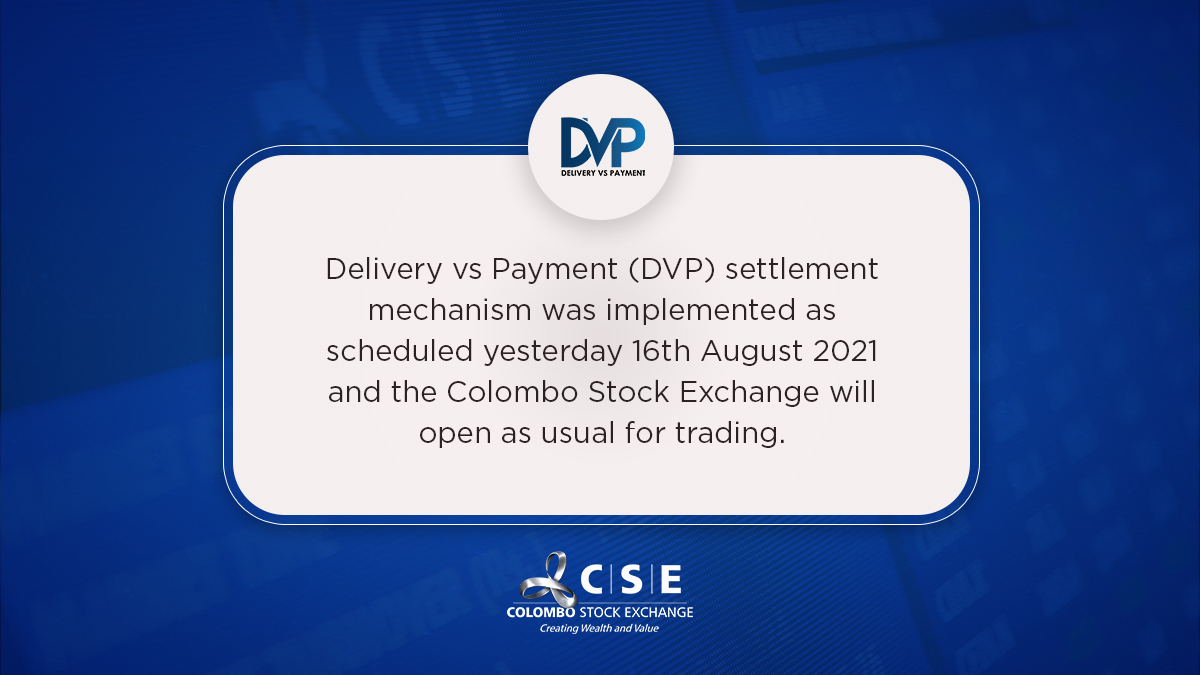
3. Settlement and Payments:
* Faster and Cheaper Settlements: Bitcoin’s potential for near real-time and low-cost settlement across jurisdictions is attractive for institutional trading, especially in cross-border transactions.
* Collateral: Bitcoin can be used as collateral in certain institutional lending and trading activities, providing an alternative to traditional assets.
* Emerging Payment Rails: While still in its early stages for mainstream institutional use, Bitcoin could potentially play a role in new payment rails and systems, offering efficiency and transparency.
4. Technological Integration:
* Blockchain Technology: Institutions are exploring the underlying blockchain technology of Bitcoin for various applications beyond just the cryptocurrency itself, such as tokenization of other assets.
* API Integration: Institutional trading platforms and services offer robust APIs (Application Programming Interfaces) that allow for seamless integration with their existing trading infrastructure and algorithms.
Challenges and Considerations:
* Regulatory Uncertainty: While progress is being made, regulatory frameworks for Bitcoin and digital assets are still evolving in many jurisdictions, which can create uncertainty for institutional adoption.
* Volatility: Despite decreasing volatility compared to previous cycles, Bitcoin’s price can still experience significant fluctuations, which can be a concern for risk-averse institutions.
* Custody and Security: Secure and compliant custody solutions are crucial for institutions holding Bitcoin, and this remains a key area of focus and development.
* Integration with Legacy Systems: Integrating Bitcoin trading and custody with existing traditional financial infrastructure can be complex.
Overall, the trend indicates that Bitcoin is increasingly becoming integrated into the strategies and operations of institutional trading partners. While challenges remain, the potential benefits of diversification, new investment opportunities, and more efficient settlement are driving its adoption.Escrow.com video
Video courtesy of Escrow.com