-
Public Info posted an update 1 year, 5 months ago
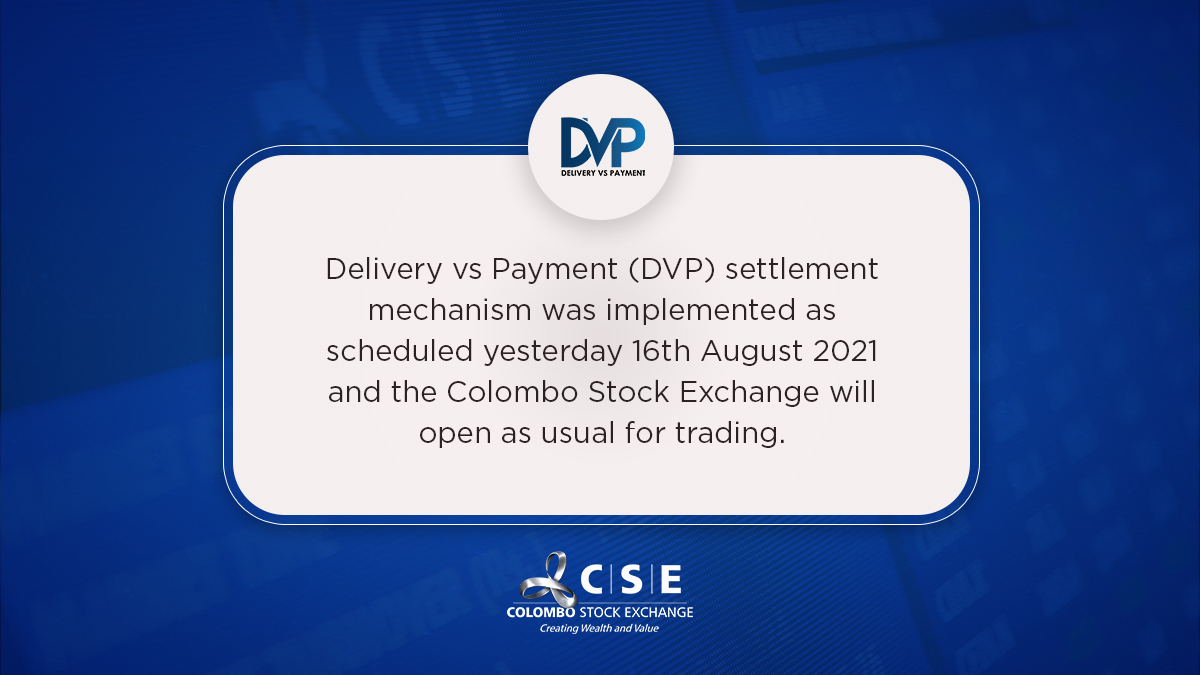
The move towards instant settlement certainly presents compelling advantages, primarily by reducing counterparty risk and increasing market efficiency. The shorter the time between a trade and its settlement, the lower the chance of an event disrupting the transfer of cash or securities. This was a significant driver behind the recent shift to T+1 settlement in the United States.
However, your point about potential costs and the advantages of the T-2 and T-1 setups is valid. Here’s a breakdown of why instant settlement might not be a straightforward upgrade for all parties:
Potential Costs and Disadvantages of Instant Settlement:
* Increased Operational Burden and Technological Investment: Moving to instant settlement would require significant upgrades to existing technological infrastructure for many firms. This includes real-time processing capabilities, robust risk management systems, and potentially 24/7 operational support to handle continuous settlement. The cost of these upgrades could be substantial and might disproportionately affect smaller firms.
* Liquidity Management: In an instant settlement environment, firms need to have immediate access to sufficient liquidity to cover their settlement obligations at any point in time. This could necessitate more sophisticated and potentially more expensive liquidity management strategies. The current T-2 and T-1 cycles allow for a buffer, giving firms time to manage their funding.
* Increased Risk of Errors and Fraud: The compressed timeframe of instant settlement could heighten the risk of errors in trade processing. While technology aims to mitigate this, the speed leaves less time for manual checks and corrections. Similarly, the immediacy could make it more challenging to detect and prevent fraudulent activities before settlement occurs.
* Impact on Securities Lending and Borrowing: The dynamics of securities lending and borrowing, which rely on the settlement cycle, would need to adapt to instant settlement. This could potentially lead to changes in pricing and availability.
* Foreign Exchange (FX) Considerations: For cross-border transactions, aligning instant securities settlement with FX settlement times across different jurisdictions presents a significant hurdle. Differing time zones and FX market operating hours could create complexities and potential settlement mismatches.
* Potential for Increased Collateral Requirements: To mitigate the increased risks associated with instant settlement, clearinghouses might impose stricter and potentially more costly collateral requirements on market participants.
Advantages of T-2 and T-1 Setups:
* Time for Error Correction and Reconciliation: The longer settlement windows of T-2 and T-1 provide valuable time for firms to identify and rectify trade discrepancies, perform necessary reconciliations, and manage exceptions.
* Liquidity Buffering: These cycles offer a period for firms to arrange funding and manage their liquidity positions before settlement.
* Alignment with Existing Systems: Market participants have already invested heavily in systems and processes designed to operate within T-2 and T-1 frameworks. A move to instant settlement would render some of these investments less relevant.
* International Alignment (for T+1): The recent move to T+1 in the US aimed to better align with settlement cycles in other major markets, potentially reducing complexities in cross-border trading.
Conclusion:
While instant settlement holds the promise of a more efficient and potentially less risky market by minimizing the time between trade execution and finality, the transition comes with significant costs and operational challenges. The existing T-2 and T-1 frameworks offer advantages in terms of error handling, liquidity management, and alignment with established systems.
Ultimately, the decision of whether to move towards instant settlement will likely involve a careful weighing of these benefits and costs by all market participants, including brokers, custodians, clearinghouses, and regulators. It’s possible that a phased approach or the development of new technologies and protocols will be necessary to make instant settlement a viable and cost-effective reality for the broader market.Video courtesy of Interactive Brokers
Video courtesy of Interactive Brokers