-
Public Info posted an update 1 year, 5 months ago
Macro Trading:
Macro trading, or macroeconomic trading, is a style of investing or speculating that focuses on identifying and capitalizing on broad economic trends and policies at a global or regional level. Instead of focusing on individual company fundamentals (as in stock picking), macro traders analyze the overall economic environment to make predictions about the movements of financial markets, including currencies, bonds, commodities, and stock indices.
Key Macroeconomic Factors and Their Impact on Trading:
* Trends:
* Definition: Long-term shifts or patterns in economic data or market behavior.
* Impact on Macro Trading: Identifying and understanding these trends (e.g., globalization, technological disruption, demographic shifts) can inform long-term investment strategies across various asset classes. For instance, a trend of increasing urbanization in developing economies might suggest long-term opportunities in certain commodity markets or emerging market equities.
* Interest Rates:
* Definition: The cost of borrowing money, usually expressed as an annual percentage.
* Impact on Macro Trading:
* Currencies: Higher interest rates in a country can attract foreign investment, increasing demand for its currency and potentially causing it to appreciate. Conversely, lower rates can lead to capital outflows and currency depreciation.
* Bonds: Interest rates have an inverse relationship with bond prices. When interest rates rise, the value of existing bonds typically falls, and vice versa. Traders speculate on interest rate movements by buying or selling bonds or related derivatives.
* Equities: Interest rate changes can affect borrowing costs for companies, impacting their profitability and investment decisions. Lower rates can stimulate economic activity and potentially boost stock prices, while higher rates can have a cooling effect.
* Overall Market Sentiment: Interest rate decisions by central banks are closely watched as they signal the direction of monetary policy and can significantly influence investor confidence and risk appetite.
* Inflation:
* Definition: The rate at which the general level of prices for goods and services is rising, and, subsequently, purchasing power is falling.
* Impact on Macro Trading:
* Bonds: High inflation erodes the real return of fixed-income investments like bonds, making them less attractive. Inflation expectations are a key driver of bond yields.
* Currencies: Unexpectedly high inflation can weaken a currency as its purchasing power decreases relative to other currencies. Central bank responses to inflation (e.g., raising interest rates) can, however, strengthen a currency.
* Equities: The impact of inflation on stocks is complex. While some companies may be able to pass on rising costs to consumers, others may see reduced profitability. High inflation can also lead to increased market volatility. Historically, value stocks have tended to perform better in high inflation periods, while growth stocks favor low inflation environments.
* Commodities: Some commodities, particularly raw materials, can act as a hedge against inflation as their prices tend to rise with increasing price levels in the broader economy.
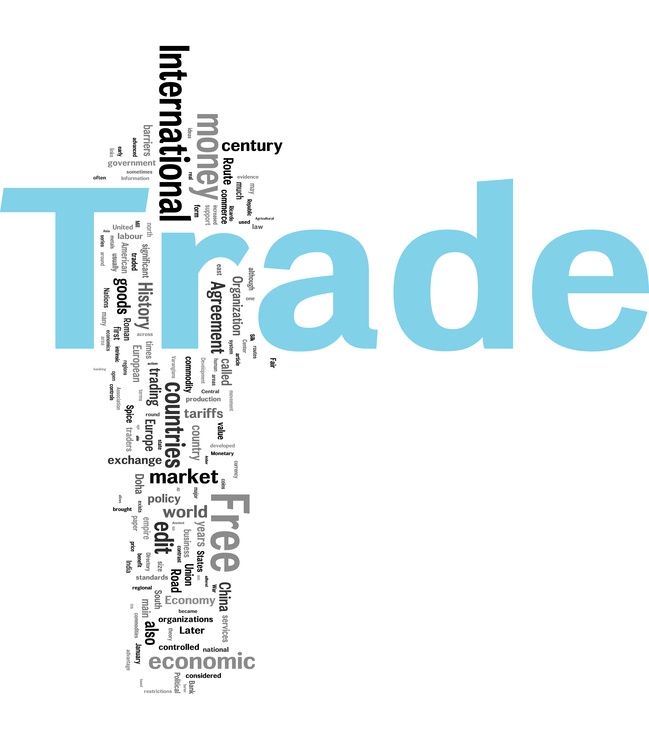
* Trade:
* Definition: The exchange of goods and services between countries.
* Impact on Macro Trading:
* Currencies: A country with a large trade surplus (exporting more than it imports) may see increased demand for its currency. Trade imbalances can put pressure on exchange rates.
* Specific Sectors: Changes in trade flows can significantly impact specific industries. Increased exports can benefit domestic producers, while increased imports can put pressure on local competitors.
* Overall Economic Growth: Trade policies and global trade dynamics are significant drivers of economic growth. Disruptions to trade can negatively impact global supply chains and economic activity.
* Tariffs:
* Definition: Taxes imposed by a government on imported goods or services.
* Impact on Macro Trading:
* Currencies: The imposition of tariffs can lead to trade disputes and affect currency valuations, depending on the countries involved and the potential impact on their economies.
* Specific Sectors: Tariffs increase the cost of imported goods, which can benefit domestic producers of those goods but harm industries that rely on imported inputs or consumers who face higher prices.
* Overall Market Sentiment: Trade wars and tariff escalations can create uncertainty in financial markets, leading to increased volatility and impacting investor sentiment towards risk assets.
* Central Bank Policies:
* Definition: Actions undertaken by a central bank to manipulate the money supply and credit conditions to stimulate or restrain economic activity. Key tools include setting interest rates, quantitative easing (QE), and reserve requirements.
* Impact on Macro Trading:
* All Asset Classes: Central bank policies are a primary driver of macroeconomic conditions and have a pervasive impact on all financial markets. Interest rate decisions directly affect borrowing costs and asset valuations. QE can inject liquidity into markets, potentially boosting asset prices but also raising inflation concerns.
* Forward Guidance: Central banks often provide signals about their future policy intentions, known as forward guidance. These statements can significantly influence market expectations and trading strategies.
* Divergence: Differences in central bank policies between countries (e.g., one hiking rates while another is easing) can create opportunities for trading on expected currency movements and interest rate differentials.
In essence, macro traders analyze these interconnected factors to form a view on the overall direction of the economy and how these dynamics are likely to play out in financial markets. They then use various financial instruments, including futures, options, currencies, and ETFs, to express their views and profit from anticipated price movements. Macro trading requires a deep understanding of economic principles, global events, and the workings of financial markets.Video courtesy of ABN-AMRO
Video courtesy of ABN-AMRO