-
Public Info posted an update 1 year, 5 months ago
The potential future for Real World Assets (RWAs) in the digital asset space. The vision of RWAs trading publicly yet primarily peer-to-peer, around the clock, and focused on traditionally illiquid assets like real estate and art, represents a significant evolution in how these assets could be accessed and exchanged. Let’s break down the implications and potential challenges of such a model:
Key Aspects of This Vision:
* Public Trading: This suggests that ownership or fractional interests in these RWAs would be represented by digital tokens that are listed and tradable on public exchanges or marketplaces. This would democratize access to assets that were previously the domain of institutional investors or high-net-worth individuals.
* Primary Peer-to-Peer (P2P): While publicly traded, the primary mechanism for exchange being P2P implies a disintermediated model, potentially reducing the role and fees of traditional intermediaries like brokers, custodians, and exchanges. Smart contracts on blockchain platforms could facilitate these direct transactions.
* 24/7 Trading: Unlike traditional markets for real estate and art, which have limited trading hours and can take significant time to execute transactions, tokenized RWAs on blockchain could theoretically trade continuously, mirroring the always-on nature of cryptocurrency markets. This would offer greater liquidity and price discovery.
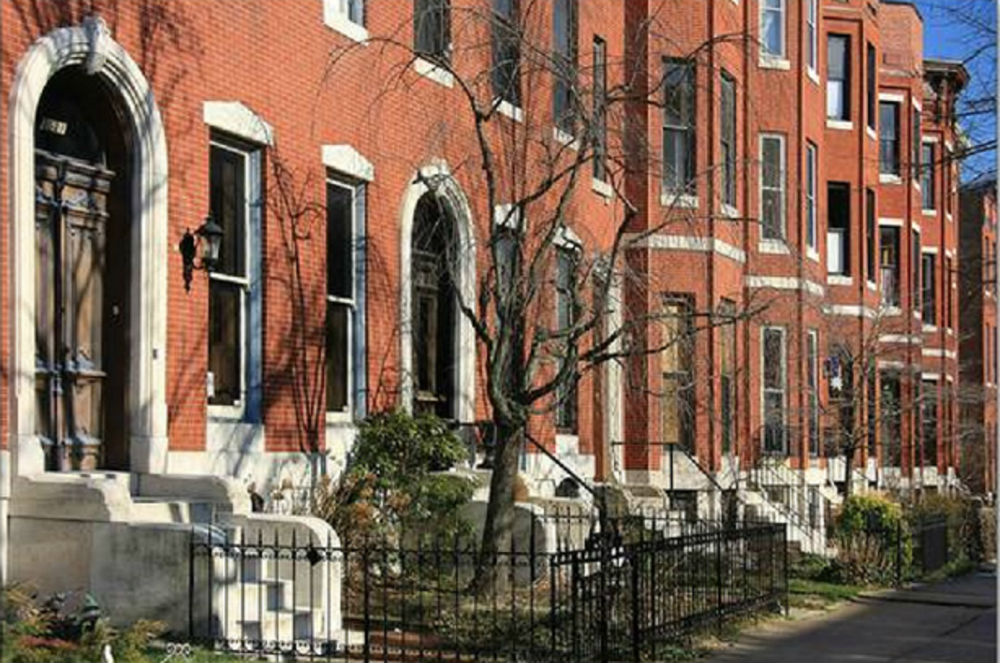
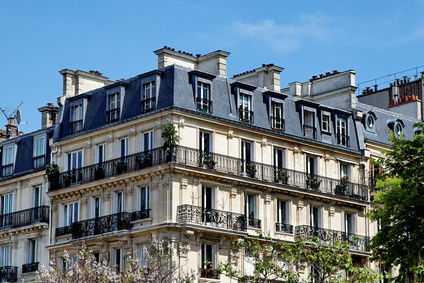
* Focus on Real Estate, Art, and Other Illiquid Assets: This is where the most transformative potential lies. Tokenization can fractionalize these high-value, typically illiquid assets into smaller, more affordable units, making them accessible to a wider range of investors.
Potential Benefits:
* Increased Liquidity: Tokenization could inject much-needed liquidity into traditionally illiquid markets like real estate and art. Fractional ownership allows for smaller investment sizes and easier buying and selling.
* Democratized Access: Lower investment thresholds would open up these asset classes to a broader pool of investors, potentially diversifying portfolios and creating new investment opportunities.
* Enhanced Transparency: Transactions recorded on a blockchain are transparent and immutable, potentially increasing trust and reducing fraud compared to traditional opaque markets.
* Reduced Intermediary Fees: P2P trading facilitated by smart contracts could lower transaction costs associated with traditional intermediaries.
* Faster Settlement: Blockchain-based transactions can settle much faster than traditional real estate or art transactions, which can take weeks or months.
* Greater Efficiency: Tokenization can streamline processes related to ownership transfer, due diligence, and fractional ownership management.
* New Financial Instruments: Tokenized RWAs could potentially form the basis for new derivative products and lending opportunities within the decentralized finance (DeFi) ecosystem.
Potential Challenges:
* Valuation Complexity: Accurately and consistently valuing illiquid assets like real estate and art for tokenization and ongoing trading can be challenging. Establishing reliable price discovery mechanisms in a 24/7 P2P market will be crucial.
* Regulatory Hurdles: The regulatory landscape for tokenized RWAs is still evolving and varies significantly across jurisdictions. Clear legal frameworks addressing ownership, transfer, and investor protection will be necessary for widespread adoption.
* Custody and Security: Ensuring the secure custody of the underlying physical assets and the digital tokens representing them is paramount. Robust custodial solutions and security protocols will be needed.
* Legal and Ownership Issues: Establishing clear legal ownership and transfer mechanisms for fractionalized RWAs on a blockchain requires careful consideration and legal precedent.
* Market Manipulation and Fraud: As with any emerging market, the potential for market manipulation and fraud exists. Robust monitoring and governance mechanisms will be needed.
* Technological Infrastructure and Scalability: The underlying blockchain infrastructure needs to be scalable and efficient to handle potentially high volumes of RWA trading.
* Adoption Barriers: Educating investors and overcoming the traditional mindset associated with investing in illiquid assets will be key to driving adoption.
* Interoperability: Ensuring interoperability between different blockchain platforms and RWA token standards will be important for a liquid and efficient market.
* Verification and Authentication: Establishing reliable methods for verifying the authenticity and provenance of assets like art will be crucial for building trust in the tokenized representations.
Current Status and Future Outlook:
While the vision you describe is still largely in its early stages, we are seeing increasing activity in the tokenization of RWAs. Platforms are emerging that allow for the fractional ownership of real estate, art, and other assets through blockchain-based tokens. However, these platforms often still involve some level of intermediation and are navigating the evolving regulatory landscape.
The shift towards a truly public, primary P2P, 24/7 trading environment for tokenized RWAs will likely take time and require significant advancements in technology, regulation, and market infrastructure. However, the potential benefits for liquidity, accessibility, and efficiency are substantial, making it a compelling area of development within the digital asset space.
Given the current date (Friday, May 2, 2025), we are likely seeing further progress in this area, with more platforms emerging, regulatory clarity potentially increasing in some jurisdictions, and greater institutional interest in the possibilities of tokenized RWAs. However, the fully realized vision of a predominantly P2P market might still be some years away.Video courtesy of ABN-AMRO
Video courtesy of ABN-AMRO