-
Public Info posted an update 1 year, 4 months ago
Subordinate debentures, also known as junior bonds, are a type of debt that ranks lower than other debts in the event of the issuing company’s bankruptcy or liquidation. This means that in such a scenario, senior bondholders and other creditors would be paid before the holders of subordinate debentures.
Purchasing subordinate debentures on the secondary market involves several steps and considerations:
1. Understand the Risks:
* Lower Priority: The primary risk is the subordinate status. If the issuer faces financial distress, you may receive only partial repayment or no repayment at all after senior creditors are paid.
* Credit Risk: Subordinate debentures are often issued by companies with lower credit ratings, indicating a higher risk of default. Always check the credit rating provided by rating agencies like Moody’s or Standard & Poor’s.
* Liquidity Risk: The secondary market for some subordinate debentures might be less liquid than for more common bonds. This could make it difficult to sell your debentures quickly or at your desired price.
* Interest Rate Risk: Like all fixed-income securities, the value of subordinate debentures can decline if interest rates rise.
* Inflation Risk: Inflation can erode the real value of the fixed interest payments you receive.
2. Research and Due Diligence:
* Issuer’s Financial Health: Thoroughly investigate the financial stability and creditworthiness of the issuing company. Review their financial statements, news, and analyst reports.
* Debenture Terms: Carefully examine the terms of the debenture, including the coupon rate (interest rate), maturity date, any embedded options (like call or put features), and the specific subordination language. This information is usually found in the bond prospectus or offering documents.
* Credit Rating: Pay close attention to the credit rating assigned to the debenture. Lower ratings typically mean higher risk but also potentially higher yields to compensate for that risk.
* Market Conditions: Understand the prevailing interest rate environment and overall market sentiment, as these factors can influence the price of debentures on the secondary market.
3. Choose a Brokerage Account:
* You will need a brokerage account that allows trading in fixed-income securities. Many online brokers offer access to the secondary bond market.
* Consider factors like the broker’s fees, the range of fixed-income products they offer, the research tools available, and the quality of their customer service.
4. Finding Subordinate Debentures:
* Brokerage Platforms: Once you have an account, you can search for available subordinate debentures on your broker’s trading platform. You can typically filter by credit rating, maturity date, coupon rate, and other criteria.
* Fixed Income Desks: Some larger brokerage firms have dedicated fixed income desks where brokers specialize in trading bonds. They may have access to a wider range of offerings.
* Online Bond Marketplaces: Certain platforms specialize in bond trading and may list subordinate debentures available on the secondary market.
* Dealer Inventory: Bond dealers often hold inventory of various fixed-income securities, including subordinate debentures. You or your broker can inquire about their current holdings.
5. Placing an Order:
* Quotation: Bonds on the secondary market are typically quoted based on their price per $100 of face value. For example, a quote of 98 means you would pay $980 for a debenture with a $1,000 face value.
* Yield: Pay attention to the yield-to-maturity (YTM), which represents the total return you can expect to receive if you hold the debenture until its maturity date, taking into account the current market price, coupon payments, and the face value at maturity.
* Order Type: You can place different types of orders, such as market orders (executed at the best available current price) or limit orders (executed only at a specified price or better).
* Transaction Costs: Be aware of any commissions or fees your broker charges for bond transactions. These can vary depending on the broker and the type of bond.
6. Settlement:
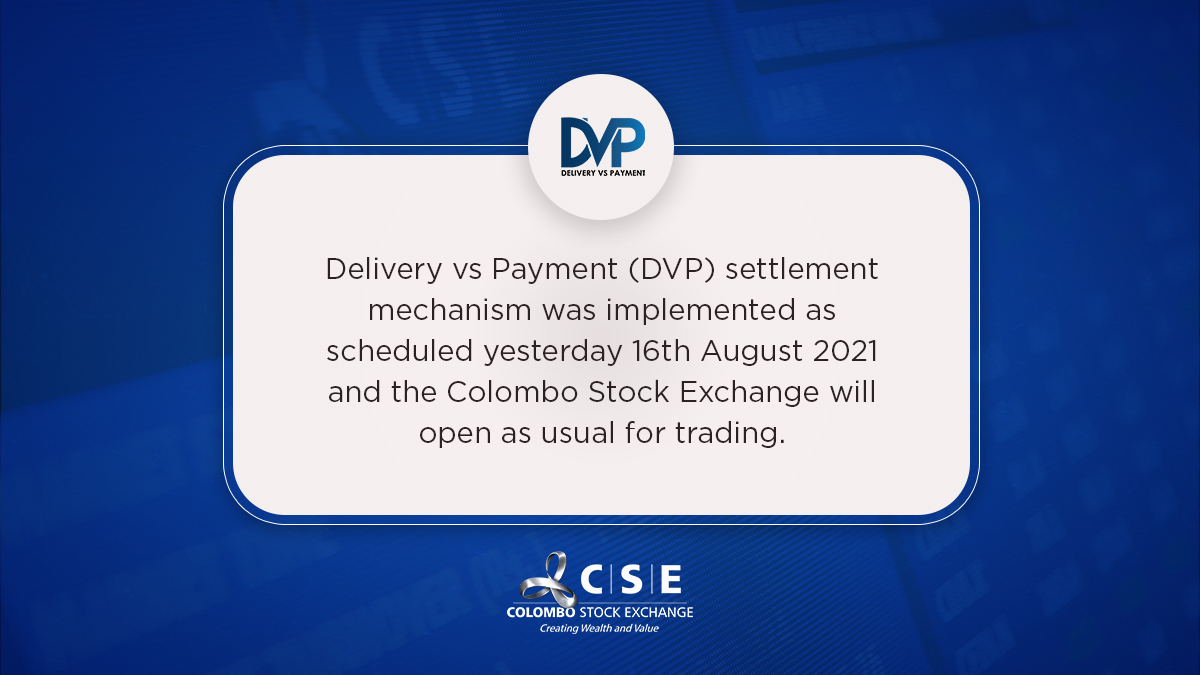
* Once your order is executed, the transaction will typically settle within a few business days. The debentures will be credited to your brokerage account.
Important Considerations:
* Minimum Investment: Some subordinate debentures may have minimum investment requirements.
* Professional Advice: If you are new to investing in subordinate debentures or the fixed-income market, it is advisable to consult with a qualified financial advisor. They can help you assess your risk tolerance, understand the complexities involved, and make informed investment decisions.
* Understand Subordination Agreements: Be aware that a subordination agreement outlines the priority of debt repayment in case of default. By purchasing subordinate debentures, you are agreeing to this lower priority.
By carefully considering these steps and risks, you can navigate the secondary market for subordinate debentures more effectively. Remember that thorough research and understanding the specific characteristics of these investments are crucial before making any purchase.Video courtesy of Interactive Brokers
Video courtesy of Interactive Brokers