-
Public Info posted an update 1 year, 4 months ago
The move to on-chain securities isn’t just a minor upgrade; it’s a fundamental shift with the potential to reshape the entire landscape of how securities are handled. We could see significant changes in several key areas:
1. Issuance:
* Tokenization of Diverse Assets: Beyond traditional stocks and bonds, we could see the tokenization of previously illiquid assets like real estate, art, intellectual property, and even commodities. This could unlock significant capital and create new investment opportunities.
* Streamlined Processes: Initial Public Offerings (IPOs) and other fundraising activities could become more efficient and cost-effective by leveraging blockchain’s automation and reduced reliance on intermediaries. Smart contracts could automate the distribution of securities and manage investor relations.
2. Trading:
* 24/7 Global Markets: Unlike traditional exchanges with set operating hours, on-chain securities could potentially be traded around the clock, across borders, increasing liquidity and accessibility for investors worldwide.
* Fractional Ownership: Tokenization allows for the division of assets into smaller, more affordable units, opening up investment opportunities to a broader range of participants.
* Decentralized Exchanges (DEXs): These platforms allow for peer-to-peer trading without traditional intermediaries, potentially leading to lower fees and increased transparency.
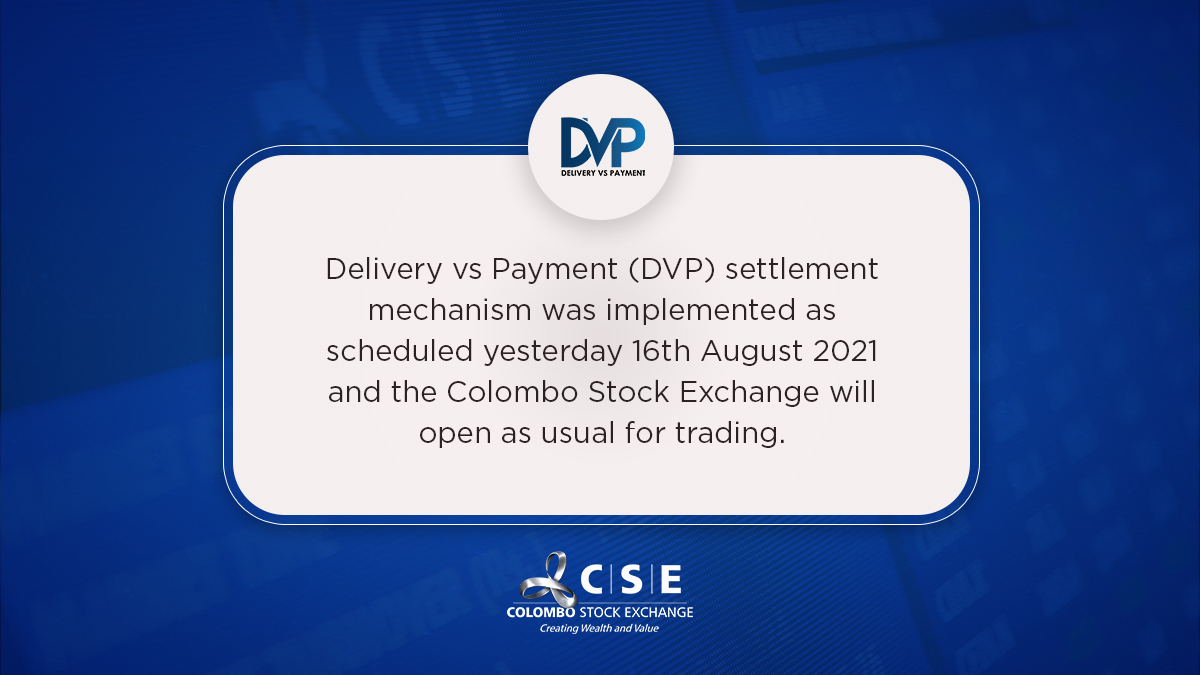
* Instant Settlement: Blockchain’s ability to record transactions in near real-time could drastically reduce settlement times, lowering counterparty risk and freeing up capital.
3. Ownership:
* Transparent and Immutable Records: Ownership of on-chain securities is recorded on a transparent and tamper-proof ledger, providing a clear and auditable history of transactions and holdings.
* Direct Ownership: In some models, investors might have more direct control over their assets, reducing reliance on custodians.
* Enhanced Corporate Actions: Dividend distribution, voting rights, and other corporate actions could be automated and made more transparent through smart contracts.
4. Usage:
* Collateralization: On-chain securities could be used more efficiently as collateral in lending and borrowing activities.
* Integration with DeFi: Tokenized securities could potentially be integrated with Decentralized Finance (DeFi) protocols, opening up new possibilities for lending, borrowing, and yield generation.
* Programmable Securities: Smart contracts could embed specific conditions and functionalities directly into the security token, automating processes and creating new types of financial instruments.
However, it’s important to acknowledge that this transition also presents challenges related to regulation, standardization, security, and the need for robust infrastructure. Just like the early days of digital music had its hurdles, the evolution of on-chain securities will require careful navigation and collaboration among industry participants and regulators.
What aspects of this potential remodeling do you find most exciting or concerning?Video courtesy of First Bank of Nigeria
Video courtesy of First Bank of Nigeria