-
Public Info posted an update 1 year, 4 months ago
By representing ownership of an asset – no matter how traditionally indivisible or hard to trade – as digital tokens on a blockchain, you unlock a cascade of advantages that enhance capital formation:
How Tokenization Transforms Illiquid Assets into Liquid Opportunities:
* Fractional Ownership: High-value assets like real estate, fine art, or even shares in private equity funds often require substantial upfront capital, limiting the pool of potential investors. Tokenization allows these assets to be divided into smaller, more affordable fractions. This dramatically lowers the barrier to entry, enabling a broader range of investors to participate, injecting more capital into the asset.
* Increased Accessibility: Tokenized assets can be traded on digital platforms that are accessible to a global investor base, breaking down geographical and regulatory barriers that often restrict investment in illiquid assets.
* Enhanced Liquidity: Traditionally, selling an illiquid asset can be a lengthy and complex process. Tokenization can create secondary markets where these fractional ownership tokens can be bought and sold more easily and quickly, significantly improving liquidity. This makes it more attractive for investors to allocate capital to these previously less liquid opportunities.
* Greater Transparency and Efficiency: Blockchain technology provides a transparent and immutable record of ownership and transactions. Smart contracts can automate processes like dividend or revenue distribution, making the entire investment process more efficient and trustworthy. This can attract more capital by reducing friction and increasing investor confidence.
* New Investment Products and Strategies: Tokenization enables the creation of novel investment products and strategies that were previously impractical. For example, fractional ownership in a portfolio of diverse illiquid assets can be bundled into a single token, offering diversification benefits to smaller investors.
Examples of Traditionally Illiquid Assets Being Tokenized:
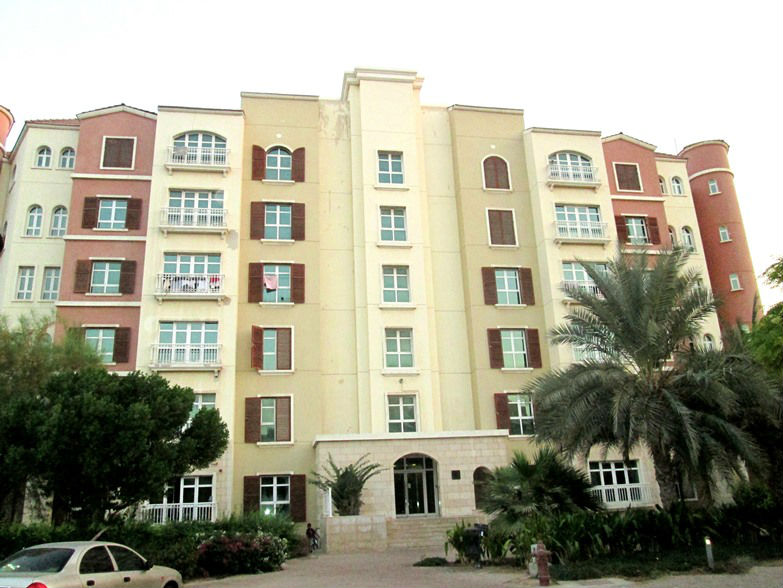
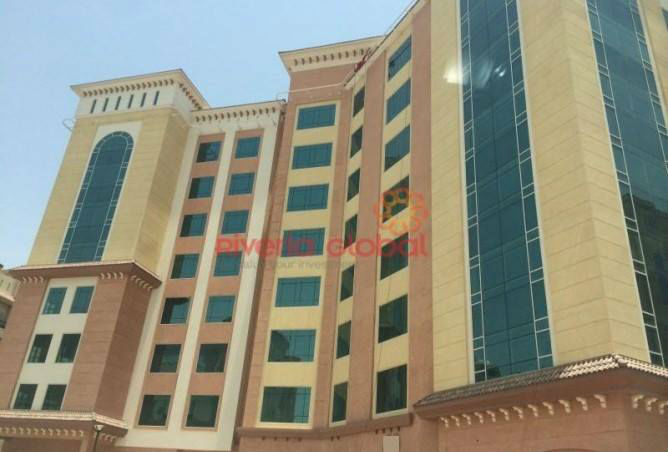
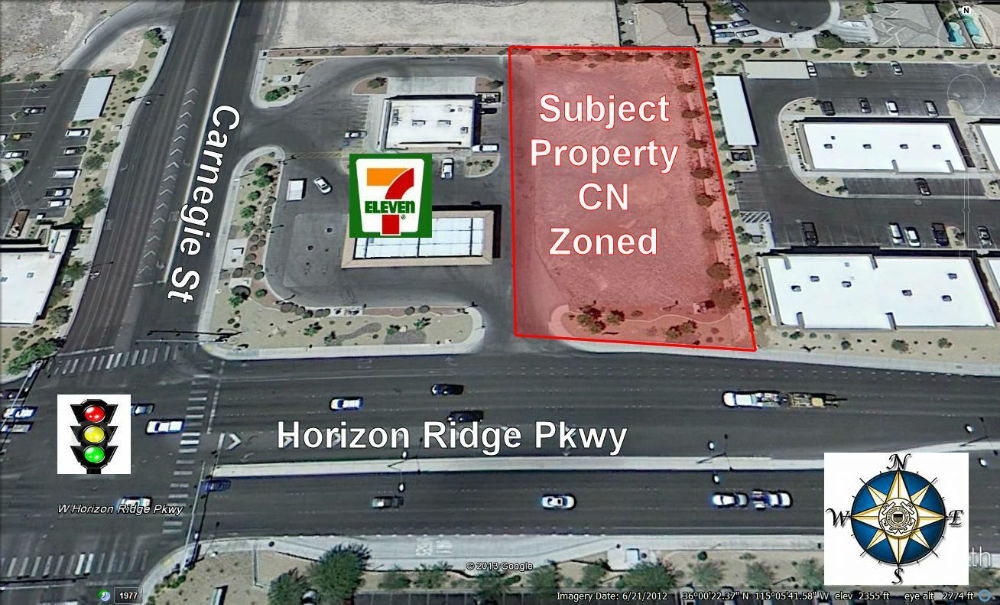
* Real Estate: Platforms are tokenizing properties, allowing individuals to invest in fractions of buildings or land.
* Art and Collectibles: High-value artworks and collectibles are being tokenized, enabling shared ownership of masterpieces.
* Private Equity and Venture Capital: Tokenization can fractionalize shares in private companies or funds, opening these traditionally exclusive investments to a wider audience.
* Debt Instruments: Even traditionally illiquid debt instruments can be tokenized, increasing their tradability.
* Intellectual Property: Patents, copyrights, and trademarks are being explored for tokenization, potentially creating new ways to finance and trade IP.
* Natural Resources: Tokenizing commodities or even rights to future production can enhance liquidity and access to these markets.
In essence, tokenization acts as a bridge, connecting previously inaccessible and hard-to-trade assets with a larger pool of potential investors. This injection of liquidity and broadened access can significantly enhance capital formation, driving growth and innovation across various sectors.Video courtesy of IPO-VID In Patrick’s Opinion
Video courtesy of IPO-VID In Patrick’s Opinion