-
Public Info posted an update 1 year, 4 months ago
Drivers of Increased Demand for Tokenized Assets:
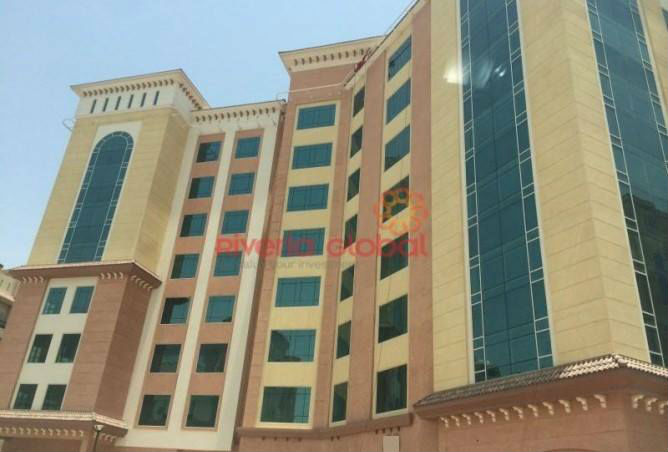
* Enhanced Liquidity: Tokenization can fractionalize high-value assets like real estate, art, and private equity, making them accessible to a broader range of investors and increasing their liquidity. For example, a piece of real estate worth millions can be divided into smaller, tradable tokens, allowing more people to invest and enabling easier buying and selling.
* Improved Efficiency and Transparency: Blockchain technology, the foundation of tokenization, offers transparent and immutable records of ownership and transactions. This can streamline settlement processes, reduce intermediaries, and lower costs associated with traditional asset management. Imagine a scenario where the transfer of ownership of a car, represented as a token, is instantaneous and recorded on a public ledger, eliminating paperwork and delays.
* Greater Accessibility and Financial Inclusion: Tokenization can democratize access to investment opportunities that were previously only available to institutional investors or high-net-worth individuals. This can foster greater financial inclusion by allowing smaller investors to participate in diverse asset classes.
* Programmability and Automation: Tokens can be embedded with smart contracts, enabling automated processes for dividend distribution, interest payments, and other corporate actions. This programmability can significantly enhance efficiency and reduce the need for manual intervention. For instance, a tokenized bond could automatically distribute coupon payments to holders on predefined dates based on the embedded smart contract.
* New Investment Opportunities: Tokenization allows for the creation of novel hybrid assets and investment products that were previously difficult or impossible to structure. This opens up new avenues for investors to diversify their portfolios and access unique risk-return profiles.
The Blending of DeFi and Real-World Asset (RWA) Collateral:
* Unlocking Idle Capital: Real-world assets, such as real estate, invoices, and commodities, hold significant value but are often illiquid. Tokenizing these assets and using them as collateral in DeFi protocols can unlock this idle capital, providing new sources of liquidity and lending opportunities within the decentralized finance ecosystem.
* Bridging Traditional Finance and DeFi: The integration of RWAs into DeFi can bridge the gap between traditional financial markets and the burgeoning decentralized space. This can attract institutional investors seeking yield-generating opportunities in DeFi while providing DeFi protocols with more stable and tangible collateral.
* Diversifying DeFi Collateral: Currently, DeFi lending protocols are often over-collateralized with volatile cryptocurrencies. Introducing RWAs as collateral can diversify the asset base, potentially leading to more stable lending rates and attracting a wider range of borrowers and lenders. For example, a small business could use tokenized invoices as collateral to access a loan on a DeFi platform.
* Creating New Financial Instruments: The combination of tokenized RWAs and DeFi protocols can lead to the creation of innovative financial instruments and services, such as decentralized stablecoins backed by real-world assets or tokenized asset-backed loans.
Factors Accelerating Adoption:
* Technological Advancements: Continued development in blockchain technology, smart contract platforms, and interoperability solutions will make tokenization and DeFi integration more seamless and efficient.
* Regulatory Clarity: As regulators worldwide develop clearer frameworks for digital assets and tokenization, institutional adoption is likely to increase significantly.
* Institutional Interest: Growing interest from traditional financial institutions in exploring tokenization and DeFi indicates a potential shift towards mainstream adoption.
* Demand for Yield and Alternative Investments: In a low-interest-rate environment, investors are increasingly seeking alternative sources of yield, and tokenized RWAs in DeFi can offer attractive opportunities.
* Growing DeFi Ecosystem: The expanding range of DeFi protocols and applications creates more use cases and demand for tokenized assets as collateral and investment vehicles.
Potential Challenges:
While the outlook for tokenized assets and RWA integration in DeFi is promising, some challenges need to be addressed:
* Regulatory Uncertainty: The lack of clear and consistent regulations across jurisdictions remains a significant hurdle.
* Security Risks: Ensuring the security and integrity of tokenized assets and DeFi protocols is crucial for widespread adoption.
* Scalability and Interoperability: Improving the scalability of blockchain networks and ensuring seamless interoperability between different platforms are essential.
* Valuation and Liquidity of RWAs: Establishing reliable valuation methods and ensuring sufficient liquidity for tokenized RWAs can be complex.
* Custody Solutions: Developing secure and compliant custody solutions for tokenized RWAs is necessary, especially for institutional investors.
In conclusion, the convergence of increasing demand for tokenized assets across various classes and the innovative use of real-world asset collateral within decentralized finance holds significant potential to accelerate the adoption of both technologies. As the underlying infrastructure matures, regulatory clarity emerges, and institutional interest grows, we are likely to see a more integrated and efficient financial landscape where tokenized assets and DeFi play an increasingly prominent role.Video courtesy of CSOB
Video courtesy of CSOB