-
Public Info posted an update 1 year, 4 months ago
Qatar is making significant strides in leveraging tokenization, particularly in the real estate sector, with the aim of driving both economic inclusion and increased liquidity. The Qatar Financial Centre (QFC) is at the forefront of this initiative, focusing on building a robust and regulated framework for the digitization of real-world assets.
Here’s how tokenization is poised to achieve these goals in Qatar:
1. Driving Economic Inclusion:
* Fractional Ownership: Traditionally, investing in high-value assets like real estate requires substantial capital, excluding a large segment of potential investors. Tokenization allows the ownership of a property to be divided into many smaller, digital tokens. This means individuals can buy a “fraction” of a property, even for a few hundred or thousand dollars, rather than needing millions to purchase an entire building. This “democratizes” access to investments in illiquid real assets.
* Lower Entry Barriers: By reducing the minimum investment amount, tokenization opens up real estate and other asset classes (like private securities, Islamic financial products, and even energy infrastructure) to a broader range of investors, including retail investors and those with smaller capital bases.
* Wider Investor Base: Economic inclusion also extends to attracting a more diverse international investor base, as geographical barriers to investment are significantly reduced through easily transferable digital tokens.
* Ethical and Sustainable Investments: Qatar is also exploring the tokenization of Sukuk, particularly Green Sukuk, which combines Islamic finance principles with DLT. This creates ethical and sustainable investment opportunities that can attract a wider investor base, including those seeking Sharia-compliant options.
2. Enhancing Real Estate Liquidity:
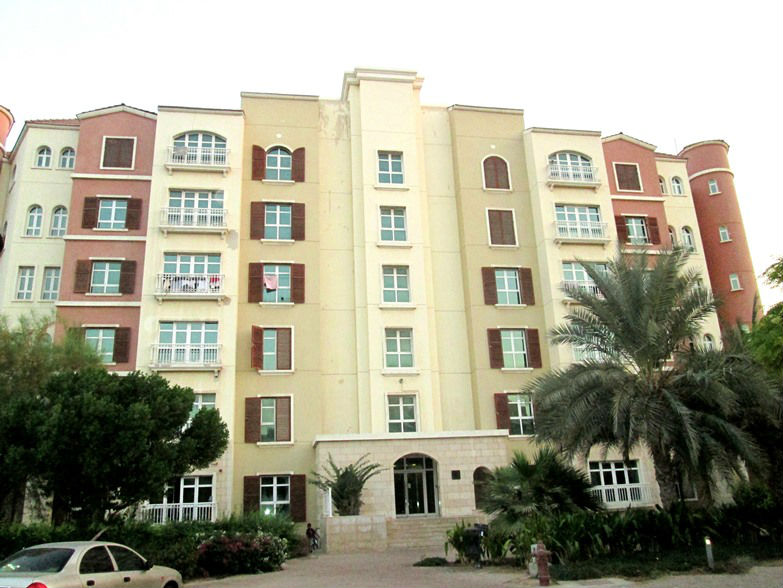
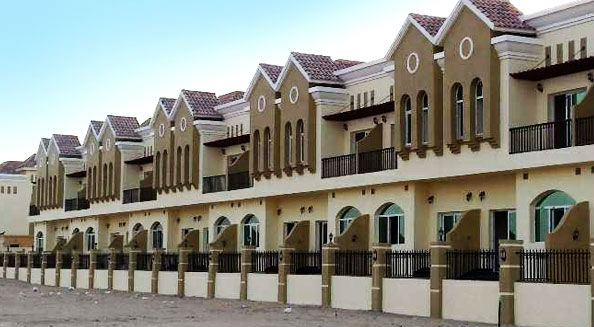
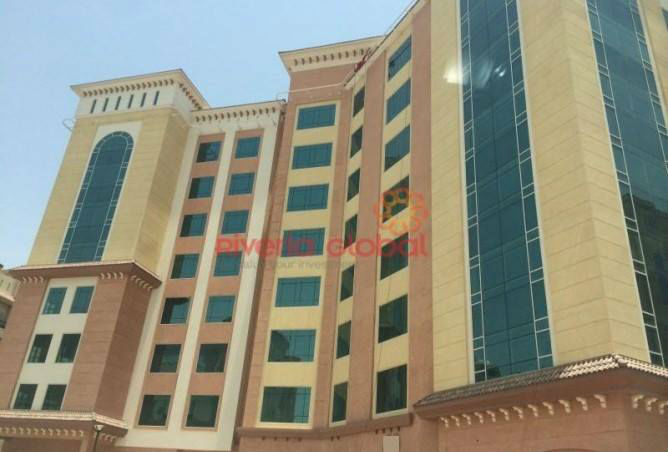
* Addressing Oversupply: Qatar’s real estate market, particularly in areas like West Bay and Lusail, has experienced oversupply with high-value towers concentrated in the hands of a few landlords. Tokenization aims to unlock liquidity in this sector by making these large, illiquid assets more easily tradable.
* Increased Tradability: Real estate is inherently illiquid due to lengthy and costly transaction processes (legal fees, paperwork, due diligence). Tokenization transforms these assets into digital tokens that can be bought, sold, or traded on a blockchain platform much more quickly and efficiently, potentially 24/7. This increases the speed and ease of transactions.
* Reduced Transaction Costs: By streamlining processes and reducing intermediaries, tokenization can lower the costs associated with real estate transactions, making buying and selling more appealing and frequent.
* Transparency and Security: Blockchain technology provides a transparent and immutable record of ownership and transactions, enhancing trust and security for all parties involved. This increased transparency can also contribute to greater market confidence and thus, liquidity.
* Global Accessibility: Tokenized real estate can be accessed by investors globally, without the need for complex cross-border legal and financial arrangements, further expanding the pool of potential buyers and sellers.
Qatar’s Approach:
The Qatar Financial Centre (QFC) is taking a proactive and regulated approach to tokenization. Recognizing the Qatar Central Bank’s strict stance on crypto trading, the QFC has focused its resources and investment entirely on tokenization, seeing it as a solution to real economic problems. They launched Digital Asset Regulations in 2024, along with an Investment Token Rulebook and security token guidelines, to swiftly and efficiently license digital asset firms within the QFC framework.
The QFC is deploying a “laboratory” approach, starting with tokenizing private shares within its corporate registry and then extending to real estate through Special Purpose Vehicles (SPVs) or holding companies. This controlled environment allows for experimentation and ensures regulatory confidence. Companies like Prop Tech LLC and Assetshare are already participating in the QFC’s Digital Assets Lab, developing platforms for property tokenization and validating use cases.
Overall, Qatar’s strategic embrace of tokenization, particularly in real estate, is a bold move designed to modernize its financial landscape, attract new investments, and make traditionally exclusive assets more accessible to a broader population, thereby fostering greater economic inclusion and market efficiency.Video courtesy of StockInvestorDaily
Video courtesy of StockInvestorDaily