-
Public Info posted an update 1 year, 3 months ago
Two crucial aspects of asset tokenization: its ability to enable 24/7 trading and its transformative impact on financial institutions.
Let’s break down each point:
1. 24/7 Trading on Digital Platforms (Like Cryptocurrencies):
This is a game-changer for many traditional asset classes. Here’s why:
* Continuous Liquidity: Traditional financial markets operate within specific trading hours, often limited to weekdays and certain time zones. This creates periods of illiquidity. With tokenization, assets can theoretically be traded around the clock, across different time zones, on distributed ledger technology (DLT) platforms. This means:
* Greater Accessibility: Investors can react to global events and market shifts immediately, regardless of where they are or what time it is.
* Reduced Price Volatility: Continuous trading can help to absorb large orders more smoothly and potentially reduce abrupt price swings that can occur when markets open after a long break.
* Faster Opportunity Capture: Investors can seize investment opportunities as they arise, rather than waiting for market opening hours.
* Decentralized Exchanges (DEXs) and Global Reach: While many tokenized assets are currently traded on centralized platforms or within private blockchain networks, the underlying technology allows for trading on decentralized exchanges. This opens up the possibility of truly global, permissionless trading, mirroring the characteristics of many cryptocurrencies.
* Automated Market Makers (AMMs): The concept of AMMs, prevalent in the crypto space, can also be applied to tokenized assets, enabling continuous trading and liquidity provision without the need for traditional order books.
However, it’s important to note the nuances here:
* Regulatory Limitations: While the technology allows 24/7 trading, regulatory frameworks for many tokenized securities are still evolving. Regulators might impose trading hour restrictions similar to traditional markets for certain asset classes to ensure investor protection and market stability.
* Market Depth: For true 24/7 liquidity to be effective, there needs to be sufficient buyer and seller interest around the clock. This will develop as the tokenization market matures.
* Infrastructure: The digital platforms need to be robust enough to handle continuous trading, including cybersecurity, real-time data feeds, and reliable settlement mechanisms.
2. More Efficient and Transparent Way to Issue, Manage, and Settle Securities for Financial Institutions:
This is where tokenization offers significant operational advantages for banks, asset managers, and other financial players:
* Issuance:
* Reduced Time and Cost: The process of issuing new securities (e.g., bonds, funds, shares) can be largely automated using smart contracts. This cuts down on legal fees, manual paperwork, and the time it takes to bring new offerings to market.
* Fractionalization at Source: Issuers can design securities to be fractionalized from the outset, broadening the potential investor base.
* Programmable Securities: Tokens can be programmed with specific rules (e.g., dividend payments, voting rights, transfer restrictions), automating compliance and corporate actions.
* Management:
* Automated Corporate Actions: Smart contracts can automate dividend payments, interest disbursements, capital calls, and other corporate actions, reducing manual effort and errors.
* Real-time Ownership Records: The blockchain provides an immutable, real-time ledger of ownership, making reconciliation simpler and more accurate.
* Enhanced Compliance: Embedding regulatory rules (like KYC/AML checks, investor accreditation requirements) directly into the token’s smart contract can streamline compliance processes and reduce the risk of non-compliance.
* Settlement:
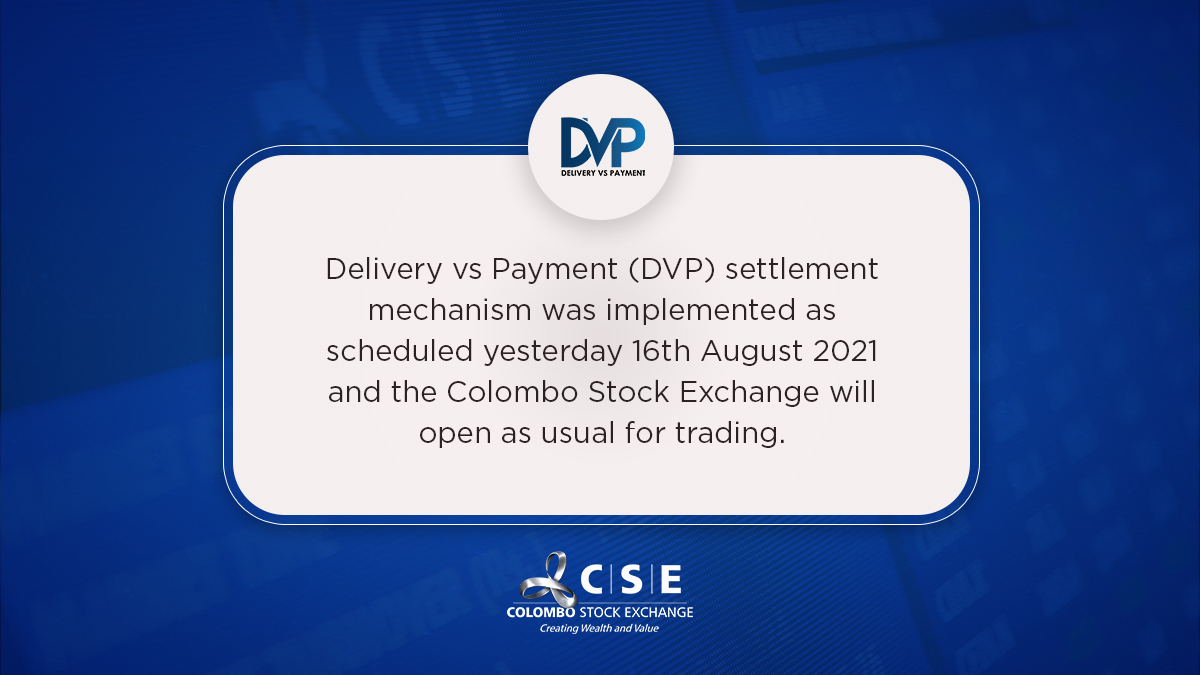
* Near-Instant Settlement: Traditional securities settlement can take days (T+2 or T+3). With tokenization, settlement can be near-instantaneous (“atomic settlement”), as the transfer of the token and the transfer of value can occur simultaneously on the blockchain. This significantly reduces counterparty risk and collateral requirements.
* Elimination of Intermediaries: The direct transfer of ownership on the blockchain can reduce the need for multiple intermediaries (e.g., clearing houses, custodians), lowering transaction costs and complexity.
* Reduced Operational Risk: Automating settlement processes minimizes manual errors and operational risks associated with traditional, multi-party settlement systems.
* Optimized Capital Utilization: Faster settlement means capital is not tied up for extended periods, leading to more efficient capital allocation and utilization.
In summary, tokenization is not just about creating digital versions of assets; it’s about fundamentally redesigning the plumbing of financial markets. The shift to 24/7 trading coupled with streamlined back-office operations promises a future where financial transactions are faster, cheaper, more transparent, and accessible to a broader range of participants.Video courtesy of First Bank of Nigeria
Video courtesy of First Bank of Nigeria