-
Public Info posted an update 1 year, 3 months ago
Europe is indeed making a significant move to T+1 (trade date plus one business day) settlement, and this transition is expected to have a global impact on financial firms. The European Securities and Markets Authority (ESMA) and the European Commission have proposed October 11, 2027, as the implementation date for T+1 settlement in the EU, aligning with the UK and Switzerland.
What is T+1 Settlement?
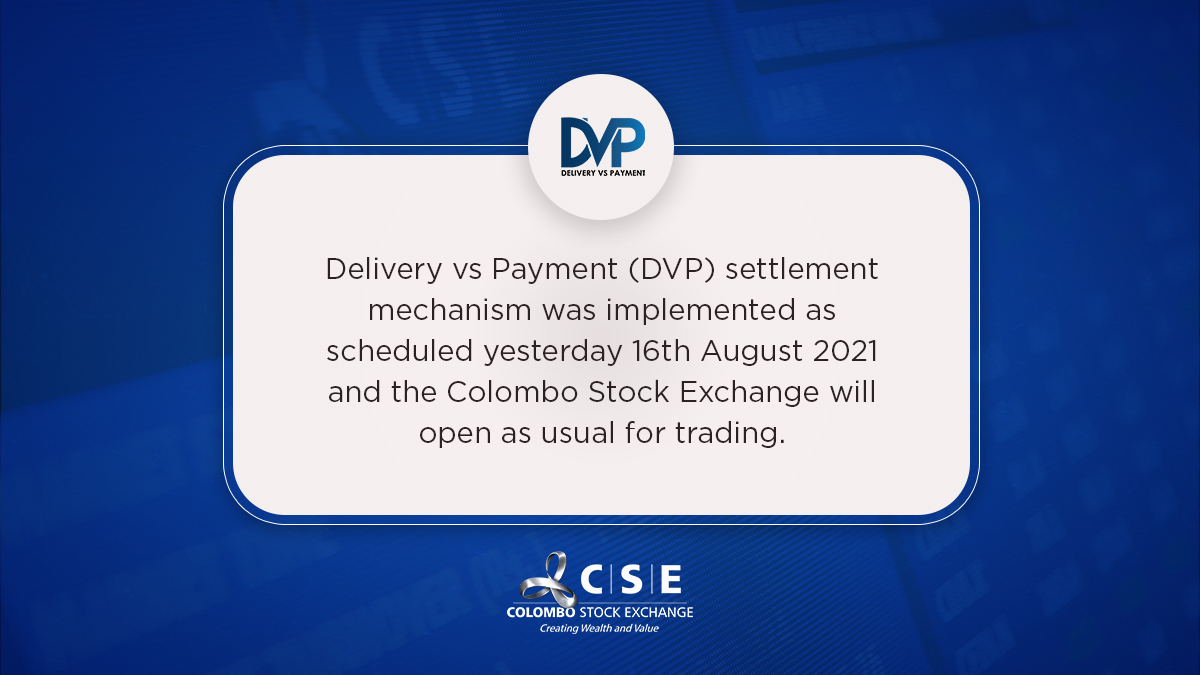
T+1 settlement shortens the time it takes for securities transactions to officially complete. Currently, most transactions in Europe settle on T+2 (two business days after the trade date). With T+1, the transfer of securities to the buyer’s account and cash to the seller’s account will occur just one business day after the trade. This follows similar transitions in North America (US, Canada, Mexico, Argentina) in May 2024, and India in 2023.
Key Impacts on Global Firms:
The shift to T+1 in Europe will have several broad implications for financial firms, particularly those with cross-border operations:
* Operational Streamlining and Automation: The reduced settlement timeframe significantly compresses the window for post-trade processes such as trade affirmation, allocation, clearing, and settlement. Firms will need to heavily invest in automation and robust technology solutions to meet these tighter deadlines. Manual processes will become unsustainable, leading to increased settlement failures and associated penalties under the Central Securities Depositories Regulation (CSDR).
* Liquidity and Funding Management: Faster settlement means cash and securities move more quickly. This can enhance liquidity by freeing up capital for reinvestment, but it also places greater strain on liquidity management systems. Firms, especially those dealing with foreign exchange (FX) transactions, will need to ensure they have the necessary funding readily available to meet shorter deadlines, potentially leading to increased FX funding costs due to reduced time to agree and settle corresponding FX trades.
* Reduced Risk: A primary driver for T+1 is the reduction of counterparty and credit risk, as the exposure time between trade execution and settlement is halved. This enhances market efficiency and resilience, particularly during volatile market periods.
* Global Alignment and Competitiveness: The move to T+1 by major financial markets like the US and now Europe aims to create a more harmonized global financial ecosystem. This alignment reduces friction and costs associated with misaligned settlement cycles across different jurisdictions, making European markets more competitive and attractive to international investors. Firms operating globally will benefit from reduced complexity in managing different settlement cycles.
* Challenges and Costs: While the long-term benefits are clear, the transition presents significant challenges and initial costs. Firms will need to:
* Upgrade Technology Infrastructure: Significant investments in systems and software will be required to support the accelerated workflows.
* Revamp Internal Processes: Front-to-back office processes will need to be re-evaluated and optimized for speed and efficiency.
* Manage Cross-Border Complexities: For firms with operations spanning multiple jurisdictions, aligning internal processes with different market practices and regulations will be particularly complex and potentially more costly than the North American transition.
* Mitigate Settlement Fails: The tighter deadlines increase the risk of settlement failures, which can incur financial penalties and reputational damage. Firms will need robust pre-settlement matching and reconciliation processes.
* Impact on Specific Instruments/Activities:
* Securities Lending and Repo: These activities, which rely on the movement of securities, will need to adapt to the compressed timeframe.
* Exchange-Traded Products (ETPs) and Mutual Funds: Issuers and authorized participants will need to adjust their processes to ensure timely cash settlement for creation and redemption orders, especially if underlying markets have longer settlement cycles.
In essence, Europe’s adoption of T+1 settlement is a significant step towards modernizing its financial markets and aligning with global standards. While it promises benefits in terms of risk reduction, liquidity, and efficiency, it demands substantial preparation and investment from financial firms worldwide to ensure a smooth transition and avoid operational disruptions.Video courtesy of Eurex
Video courtesy of Eurex